Planning a Miami to Key Largo snorkeling trip? Compare reef tour types, group vs private boats, and booking tips before you reserve.
Miami to Key Largo Snorkeling Trip: What to Know Before You Book
Key Largo's coral reefs sit about 60 miles south of Miami, close enough that a day trip is realistic without an overnight stay. The reefs inside John Pennekamp Coral Reef State Park and the offshore Florida Keys National Marine Sanctuary hold the only living coral barrier reef in the continental United States, and sites like Molasses Reef draw divers and snorkelers from well beyond South Florida. That proximity is exactly why so many Miami-based operators sell "Key Largo snorkeling" trips, often bundling a long bus or van ride with a shorter boat excursion.
Here's the catch worth knowing upfront: a tour marketed as departing "from Miami" usually just means a shuttle picks you up at a hotel and drives you 90 minutes to Key Largo, where you board the same boat you could have reached yourself. If you're not renting a car, that shuttle has real value. If you are, skip it — park in Key Largo and book directly with a local operator for less money and more flexibility on departure times.
Who Each Tour Type Suits Best
Not every snorkeling tour fits every traveler, and the biggest mistake I see people make is booking based on price alone rather than matching the boat and pace to who's actually in their group. A college-age solo traveler and a family with two kids under ten have almost opposite priorities on the same reef.
Families with children
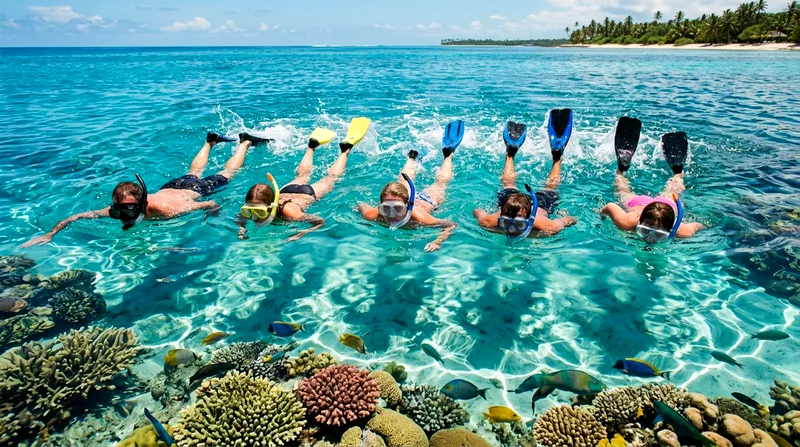
Families do best on larger group boats with life jackets and flotation noodles supplied as standard, and with crew who spend time in the water with first-timers rather than just pointing at the reef from the swim platform. Look for trips explicitly listed as kid-friendly — most reputable Key Largo operators allow children as young as five or six on half-day trips, though policies vary and some set a minimum age of eight for certain reef sites with stronger current. Molasses Reef has sections in 10 to 15 feet of water that suit nervous young swimmers better than the deeper spur-and-groove formations further offshore. Avoid full-day trips with two reef stops if your kids are under seven — the midday lull between stops, plus sun exposure, tends to wear young children out faster than parents expect.
Couples and solo travelers
Couples generally get more out of smaller group boats or private charters, where the pace is slower and there's time to linger at a second or third spot rather than being herded back onboard on a schedule. Solo travelers should actively look for group tours rather than private ones — a shared boat costs a fraction of a private charter and it's an easy way to meet other travelers, especially on afternoon departures that skew toward couples and solo divers rather than families. If you're traveling alone and want structure, a half-day group trip with an experienced guide is the better value than paying for a boat built for six people.
Main Snorkeling Tour Categories for a Key Largo Reef Tour
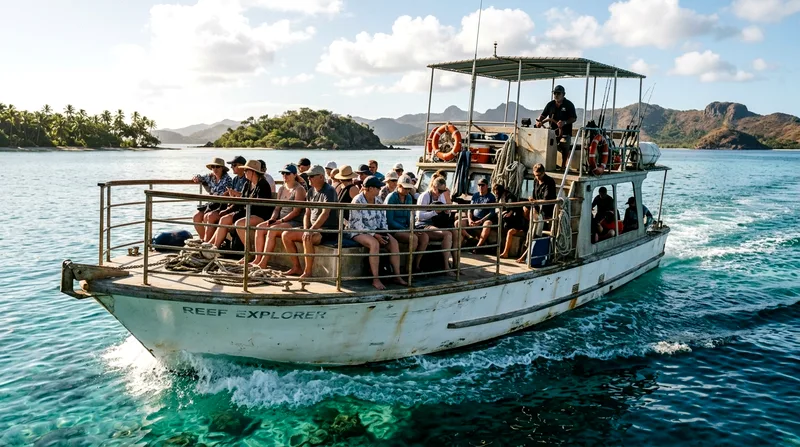
Almost every Key Largo reef snorkeling tour falls into one of two structural choices: group boat versus private charter, and half-day versus full-day. Understanding both splits before you shop will save you from comparing options that aren't actually comparable.
Group half-day boats from Key Largo offer the best balance of cost and reef access for most travelers, while private charters and full-day trips suit specific needs.
Key Largo snorkeling tour types compared for a Miami to Key Largo snorkeling trip
| Tour Type | Typical Duration | Group Size | Best For | Watch Out For |
|---|---|---|---|---|
| Group half-day boat | 3-4 hours | 20-49 passengers | Budget-focused families, solo travelers | Crowded moorings on weekends |
| Small group half-day | 3-4 hours | 6-12 passengers | Couples wanting more guide attention | Fewer departure times |
| Private charter | 3-6 hours | Up to 6-8 (your group) | Families, special occasions | Highest per-person cost |
| Full-day reef trip | 6-8 hours | Varies by operator | Avid snorkelers, longer vacations | Long day, sun fatigue for kids |
| Miami hotel pickup trip | 6-8 hours total (incl. transit) | Varies | Travelers without a car | 90+ min each way on a shuttle |
Durations and group sizes are typical ranges; confirm exact details and current prices before booking.
Group boat tours vs private charters
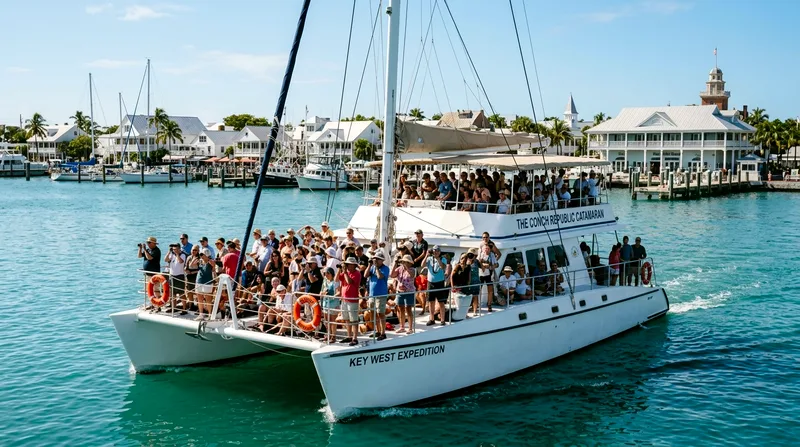
Group boats typically carry anywhere from 20 to 49 passengers on larger catamarans, or as few as 6 to 12 on smaller six-pack dive boats. They're the budget option, they run on fixed departure times, and you'll be snorkeling alongside strangers — which is fine for most people but can feel crowded at a popular mooring buoy on a busy Saturday. Private charters, by contrast, let you set the departure time, choose (within reason) which reef sites to visit, and bring only your own group. Expect to pay several times the per-person rate of a group tour for a boat up to six or eight people, which makes sense split across a family of four or five but is hard to justify for a couple. The trade-off is real: group tours are cheaper and more frequent, but private charters give you control over timing and avoid the slight chaos of 30 people entering the water at once.
Half-day and full-day options
Half-day trips run roughly three to four hours including boat time, cover one or two reef sites, and are the standard choice for most visitors — they fit around a Miami day trip and don't demand a full vacation day. Full-day trips, closer to six to eight hours, usually add a second or third reef location, a lunch stop, and sometimes combine snorkeling with a stop at a sandbar or mangrove area. Full-day trips make sense for serious snorkelers who want to see more of the sanctuary's reef variety, but they're overkill for families with young kids or for anyone squeezing the trip into a single day from a Miami hotel, since you'll lose most of the day to transit and breaks.
What to Look for When Booking a Key Largo Reef Tour From Miami
The listing photos and the five-star average don't tell you much. What actually determines whether your day goes well is buried in the fine print — inclusions, group size caps, and the cancellation policy.
Inclusions and equipment
Mask, fins, and snorkel are standard on nearly every tour, but flotation vests, wetsuits, and towels vary by operator — some include them, others charge a rental fee on top. If you're snorkeling in winter (water temperatures can dip into the low 70s°F from December through February), ask specifically whether a wetsuit or rash guard is included, because the Atlantic side of Key Largo feels noticeably cooler than a Caribbean beach trip might lead you to expect. Confirm whether a naturalist or divemaster narrates the reef life — Caribbean reef sharks, nurse sharks, sea turtles, and parrotfish are common sightings at sites like Molasses Reef, and a good guide points out far more than you'd spot on your own. Skip any tour that doesn't clearly list equipment inclusions on the booking page; it's a sign of a disorganized operator.
Group size and cancellation policies
Ask how many people will actually be in the water with you, not just how many the boat holds on paper — a 49-passenger catamaran that's only half full feels completely different from one at capacity. Check the cancellation policy against the weather: reputable operators offer a full refund or free reschedule if seas are too rough or visibility drops, but policies on customer-initiated cancellations differ widely, with many requiring 24 to 48 hours' notice for a refund. Always compare current prices and reviews on the booking platform before confirming, since availability and conditions shift by season.
Best Time to Book Your Tour
Timing affects both water conditions and how easily you'll find a spot on the boat you actually want.
Seasonal considerations
Summer, roughly May through September, brings the calmest water and the best underwater visibility in the Florida Keys, often 60 to 100 feet on a good day, along with warmer water in the low-to-mid 80s°F. It's also hurricane season, so afternoon storms can cancel trips with little notice between June and November. Winter brings cooler air and water plus choppier conditions from passing cold fronts, but it also brings fewer crowds and lower humidity — a fair trade if you don't mind a wetsuit. Compared to a winter trip to the Bahamas or Cancun, Key Largo's winter water is noticeably cooler, so set expectations accordingly if you're coming from a warmer-water destination.
Advance booking windows
Book two to four weeks ahead for a standard half-day group tour during spring break (March) or summer, when Miami's cruise crowds and Keys-bound road trippers compete for the same boats. For private charters, book four to six weeks out, especially around holidays like Memorial Day or July 4th. If you're flexible, weekday mornings almost always have more availability and smaller crowds than weekend departures, and morning trips generally see calmer water before afternoon wind picks up.
Preparing for Your Reef Snorkeling Adventure
A little preparation prevents the two most common complaints I hear about reef trips: sunburn and seasickness.
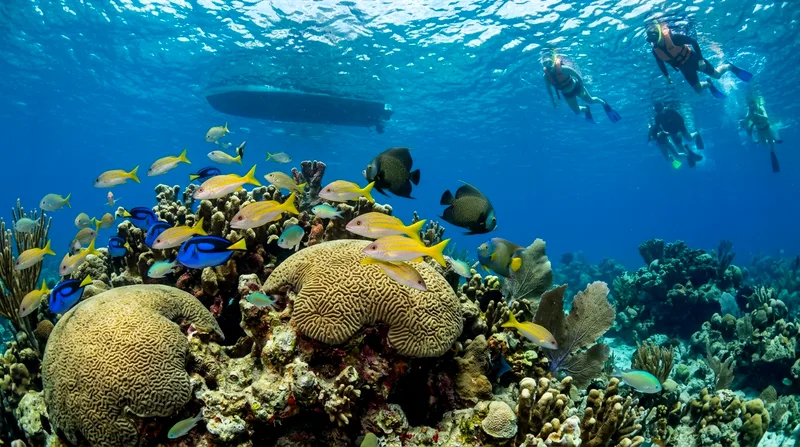
What to bring and wear
Wear a swimsuit under light clothing, bring a rash guard if you burn easily, and use reef-safe sunscreen — John Pennekamp and the surrounding sanctuary restrict oxybenzone and octinoxate sunscreens because they damage coral tissue, so check the label before you pack it. Bring a dry bag for your phone and wallet, a reusable water bottle, and motion sickness medication if you're at all prone to it, taken at least 30 to 45 minutes before boarding. Skip the brand-new snorkel mask you've never tested — a mask that leaks mid-trip ruins the experience, and there's rarely a clean place to adjust it once you're in open water.
Safety and skill requirements
No certification is required for snorkeling, unlike scuba diving, which makes this one of the more accessible ocean activities for non-divers. That said, you should be a comfortable swimmer — most operators require guests to demonstrate basic swimming ability or wear a life vest if they can't. Current at sites like Molasses Reef is usually mild but can pick up, so weaker swimmers should stick to shallower, more sheltered reef patches inside Pennekamp's boundary rather than the outer reef line. Compare this to Fort Lauderdale's artificial reef dive sites, which sit in deeper water and suit confident swimmers better — Key Largo's shallow patch reefs are genuinely more forgiving for beginners and children.
Frequently asked questions
How far is Key Largo from Miami?
Key Largo is about 60 miles south of downtown Miami, roughly 90 minutes to two hours by car depending on traffic on US-1. Shuttle-included tours from Miami hotels typically add this drive time on both ends, turning a 3-4 hour snorkeling trip into a 6-8 hour day.
Do I need snorkeling experience for these tours?
No certification or prior experience is required. You do need to be a reasonably comfortable swimmer or willing to wear a life vest; most group tours provide a brief orientation before you enter the water, and crew stay nearby to assist first-timers.
What's included in a typical snorkeling tour?
Mask, fins, and snorkel are standard on almost every tour. Flotation vests, wetsuits, towels, and drinking water vary by operator — some include them free, others charge a rental fee, so check the listing's inclusions section before booking.
What's the best season for snorkeling in Key Largo?
Summer (May through September) offers the warmest water, in the low-to-mid 80s°F, and typically the clearest visibility, though it overlaps with hurricane season. Winter brings cooler water in the low 70s°F and occasional choppy days from cold fronts, but fewer crowds.
Can I book a private snorkeling tour from Miami?
Yes, private charters are available, usually capped at six to eight passengers and departing from Key Largo marinas rather than Miami itself. They cost considerably more per person than group tours but let you control timing and reef stops, which suits families or small groups with specific plans.