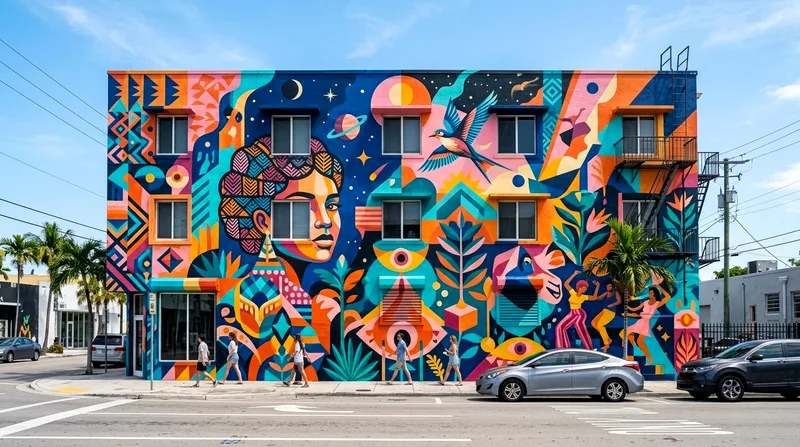
Wynwood Walls Tickets & Tours: Miami's Street Art Hub
Explore Wynwood Walls tickets, entry fees, and guided tours. Learn the best time to visit Miami's iconic street art district and what to expect.
8 min read · 10 Oct 2026
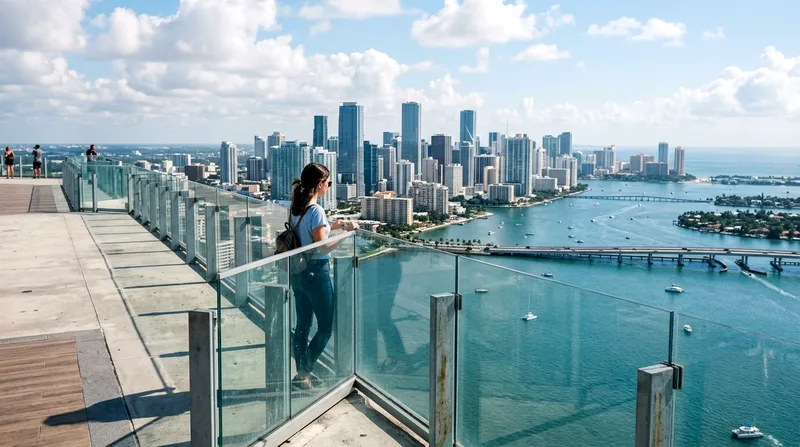
Tickets & passes
Compare Miami attraction tickets and city passes. Learn what's covered, when a multi-pass saves money, and how to buy official tickets without overpaying.
7 guides
Miami attraction tickets generally fall into two buckets: single-venue admission and bundled passes that cover several sites for one price. A standard ticket to somewhere like the Miami Seaquarium or Vizcaya Museum and Gardens gets you general admission for a set day, sometimes with a timed entry slot. Passes bundle several of these admissions together, usually at a discount versus buying each separately, and often add perks like skip-the-line entry or a hop-on-hop-off trolley.
What you're actually paying for varies a lot by venue type. Museums like the Pérez Art Museum Miami typically sell straightforward timed-entry tickets, sometimes with a reduced members' preview hour baked in. Outdoor and nature sites — Everglades National Park tours, for instance — often price the ticket as a package that includes transportation or an airboat ride, not just a park entry fee, because the park itself charges a modest vehicle entrance fee separately. Wynwood Walls charges general admission for the curated mural garden, but the surrounding Wynwood Arts District street art is free to walk and photograph any time, which trips up a lot of first-time visitors who assume the whole neighborhood requires a ticket.
I'd flag one thing I don't love about how some bundles market themselves: they tout a long list of "included" attractions, but several are already free to the public — Miami Beach itself, the Miami Design District's outdoor sculpture walks, much of Coral Gables and Little Havana's Calle Ocho. Padding a pass with free attractions makes the per-visit math look better than it is. Read the inclusion list literally, not just the attraction count.
Nature and wildlife tickets (Everglades airboat tours, Seaquarium) tend to include guided elements or animal encounters as add-ons priced separately from base admission — check before assuming a show or feeding session is bundled in. Art and culture venues (Pérez Art Museum Miami, Vizcaya) generally include special exhibitions in the base ticket, but occasionally charge extra for blockbuster traveling shows, similar to how major museums in Los Angeles or New York structure premium exhibits. Outdoor public art like Wynwood Walls charges a flat garden-access fee, while the mural-covered streets around it cost nothing. Always check whether parking is included — it rarely is, and Miami Beach and Wynwood parking can run $20 or more for a few hours.
Food, parking, gratuities, and special events are almost never included, even in premium passes. Art Basel Miami Beach, for example, operates on its own separate ticketing system entirely outside any city pass — don't expect a multi-attraction pass to get you into fair week programming. Private boat charters, fishing trips, and most Everglades airboat add-ons (beyond a basic ride) are typically booked and paid separately too. If a pass claims to include "Everglades access," confirm whether that means the national park's standard tour or just transportation to the entrance.

The honest answer to "ticket or pass" depends entirely on how many paid attractions you'll actually visit and how tightly packed your schedule is. A pass only beats individual tickets when you're stacking visits — typically three or more paid sites within a 3- to 5-day window. Spread those same visits across a 10-day trip with beach days in between, and the math usually flips back toward buying each ticket separately.
Multi-attraction passes save money mainly on short, packed itineraries of three or more paid sites in a row.
Miami attraction tickets vs. passes compared by trip length and travel style
| Option | Best Trip Length | Typical Savings vs. Single Tickets | Flexibility | Best For |
|---|---|---|---|---|
| Single attraction ticket | Any length | None (full price) | High — reschedule freely | Flexible travelers, beach-focused trips |
| Build-your-own city pass | 3-5 days | Moderate (10-25%) | Medium — fixed attraction list | Travelers with specific worth seeing list |
| All-inclusive day pass | 2-3 consecutive days | Highest if fully used (20-30%+) | Low — use-it-or-lose-it clock | First-time visitors packing in sightseeing |
| Themed bundle (art, nature) | 1-2 days | Moderate (10-20%) | Medium | Couples or families with one strong interest |
| Gate/walk-up ticket | Any length | Negative (often costs more) | High | Last-minute, unplanned visits |
Savings percentages are typical ranges based on how comparable multi-attraction passes are structured; confirm current pricing and inclusions on each official site before buying.
For a tight 2- to 3-day itinerary hitting Vizcaya, the Pérez Art Museum Miami, and the Seaquarium, a bundled pass can shave a meaningful percentage off the combined individual ticket cost — often in the range of 15-30%, based on how multi-attraction passes in comparable cities like Orlando or Tampa are typically structured. Stretch the same three visits across a week with downtime for Key West day trips or Fort Lauderdale beach time, and you'll likely pay less overall buying each ticket at its own discounted online rate, since passes charge for calendar-day usage whether you use every slot or not.
Passes buy convenience, not just discounts — one purchase, one app, no juggling confirmation emails. That's genuinely useful for families with children where logistics matter more than shaving a few dollars. But passes lock you into a countdown clock (often 1, 2, 3, 5, or 7 consecutive days from first use), and if weather or a sick kid knocks out a day, you lose that value with no refund. Individual tickets, bought a few days ahead online, give you full control to reschedule around Miami's afternoon thunderstorms, which roll through reliably in summer.
Miami doesn't have a single dominant city pass the way Orlando has its theme-park bundles, but several multi-attraction pass products cover a rotating mix of museums, boat tours, and observation experiences across Miami Beach, Downtown, and Coconut Grove. Most operate on one of two models: a "build your own" pass where you pick a fixed number of attractions from a master list, or an all-inclusive pass priced by number of consecutive days.

Build-your-own passes suit travelers with specific interests — say, Vizcaya plus a bay cruise plus the Seaquarium — because you're not paying for attractions you'll skip. All-inclusive day-based passes make more sense if you genuinely plan to sightsee hard for 2-3 straight days and want unlimited entry to whatever's covered. Coverage lists change periodically as attractions join or drop out of partnership agreements, so always check the current attraction list on the pass provider's official site before buying rather than trusting older reviews or blog posts.
Beyond general city passes, look for narrower themed bundles: an art-and-culture combo pairing the Pérez Art Museum Miami with Vizcaya and a Wynwood Walls ticket, or a nature-and-wildlife bundle pairing the Seaquarium with an Everglades airboat tour. These tend to offer better per-dollar value than broad city passes because every included stop genuinely fits one travel style — useful if you're a family prioritizing wildlife over art, or a couple doing a culture-focused weekend instead of beach time.
Buy Miami tickets online directly through each venue's official website whenever a specific attraction matters more to you than bundle savings. The Pérez Art Museum Miami, Vizcaya, and the Miami Seaquarium all sell timed tickets directly, and buying ahead avoids gate lines that can run 20-30 minutes during peak season (December through April, when snowbirds and European travelers fill the city).
Stick to the venue's own domain or a recognized authorized reseller — third-party sites that rank high in search results sometimes mark up tickets 15-20% without disclosing it clearly. If you're comparing a multi-attraction pass, buy it through the pass provider's own official site rather than a travel marketplace reselling it, since that's where cancellation and refund policies are clearly stated. Watch out for sites mimicking official branding; check the URL carefully before entering payment details.
Book at least 2-3 days ahead for popular timed-entry slots, especially around spring break and the Art Basel Miami Beach week in early December, when hotel and attraction demand spikes across the city. Screenshot or save your confirmation email with the QR code — Wi-Fi inside some venues, including parts of the Seaquarium, is inconsistent. Check each pass's cancellation policy before buying: many multi-attraction passes are non-refundable once activated (meaning once you scan in at the first attraction), though unactivated passes can often be refunded within a window — typically 30 to 90 days from purchase, depending on the provider.
There's no universal yes or no here — it comes down to your itinerary shape. A pass rewards density: several paid attractions, visited back-to-back, in a short window. It punishes sprawl: a loosely planned trip with beach days, a Key West side trip, and only one or two paid stops. Run the numbers yourself before buying — add up individual ticket prices for everything you'll realistically visit, then compare against the pass price listed on its official site.
First-time visitors who want a structured, low-decision-fatigue trip tend to get the most value from a pass. If your plan already includes Vizcaya, the Pérez Art Museum Miami, and a Seaquarium visit, plus maybe an Everglades day trip, within a 4-day window, a bundled pass likely saves money and simplifies planning. It also nudges you toward attractions you might otherwise skip, which is useful if you're unfamiliar with the city and don't yet know Coral Gables from Coconut Grove.
Repeat visitors, budget travelers, and anyone treating Miami as one stop on a wider Florida loop — Fort Lauderdale, Naples, maybe a Bahamas ferry — almost always do better buying individual tickets. You already know what you want to see, so you're not paying for a bundle's "discovery" value. Anglers and sportsmen heading mainly for fishing charters and boat tours should skip city passes entirely; none of the major passes meaningfully cover marine excursions, which are booked separately through individual operators anyway.
Most Miami multi-attraction passes bundle admission to a set list of paid sites — commonly museums like the Pérez Art Museum Miami, Vizcaya Museum and Gardens, the Miami Seaquarium, and sometimes a bay cruise or hop-on-hop-off trolley. They don't typically include parking, food, special exhibitions, or fishing and boat charters. Always check the current attraction list on the pass's official site, since partnerships change.
Generally yes. Buying online in advance usually locks in a lower rate than paying at the gate, and it guarantees a timed entry slot during busy periods like winter and Art Basel Miami Beach week. Gate pricing can run higher and sometimes involves a 20-30 minute wait, especially at the Seaquarium and Vizcaya on weekends.
A build-your-own or all-inclusive day-based pass tends to work best for 3 days if you're visiting at least three paid attractions in that window — for example, Vizcaya, the Pérez Art Museum Miami, and an Everglades tour. If your 3 days are mostly beach and neighborhood walking (Little Havana, Wynwood, Coral Gables), skip the pass and buy single tickets instead.
It depends on the pass type. All-inclusive passes are sold in consecutive-day blocks (1, 2, 3, 5, or 7 days) starting from first use, not from purchase date — so a 3-day pass covers three calendar days in a row, not three visits spread across your whole trip. Build-your-own passes are often more flexible, sometimes valid for 30 to 60 days from purchase to use all included attractions.
Yes, most individual attraction tickets and multi-attraction passes offer a reduced child rate, typically for ages 3 to 12, with children under 3 often free. Family ticket packages bundling two adults and two children sometimes offer a modest additional discount over buying four individual tickets — check each venue's official pricing page, since age cutoffs vary by attraction.
Explore Wynwood Walls tickets, entry fees, and guided tours. Learn the best time to visit Miami's iconic street art district and what to expect.
8 min read · 10 Oct 2026

Learn how to save on Miami attractions with pass comparisons, weekday pricing, and combo strategies. Real cost breakdowns and booking tips included.
9 min read · 10 Oct 2026
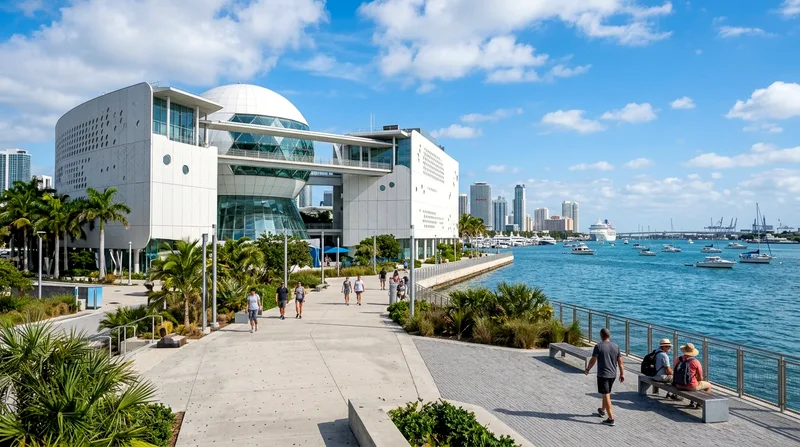
Book Frost Science Museum tickets online. Compare planetarium add-ons, aquarium bundles & family packages. Hours, prices & tips for Miami visitors.
8 min read · 10 Oct 2026

Planning to buy Vizcaya Museum tickets? Compare skip-the-line options, guided tours, entry prices, and the best times to visit this Miami estate.
8 min read · 10 Oct 2026
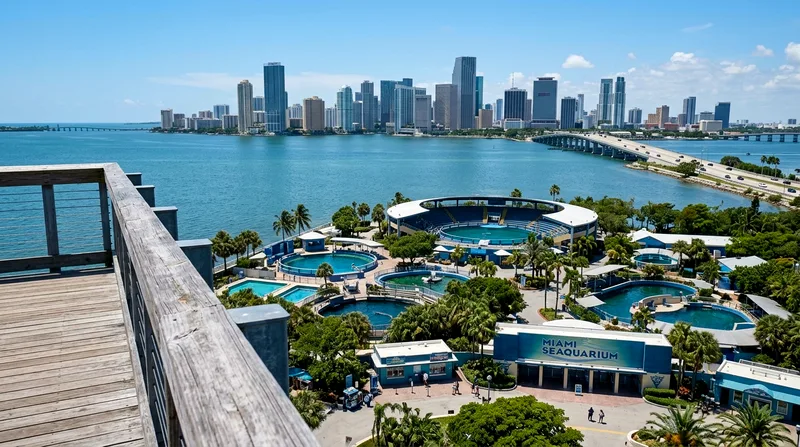
Book Miami Seaquarium tickets online. Compare prices, VIP dolphin encounters, and family packages. Plan your visit with our complete guide.
9 min read · 10 Oct 2026
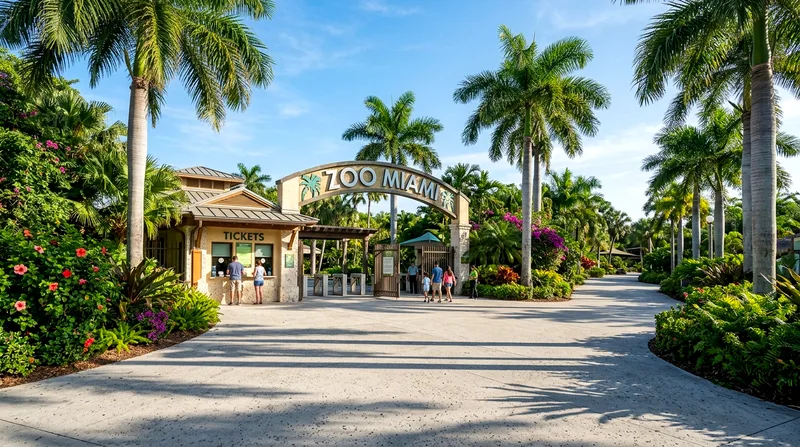
Book Miami Zoo tickets online. Compare entry prices, animal feeding experiences, behind-the-scenes tours, and family packages. Plan your visit today.
8 min read · 10 Oct 2026
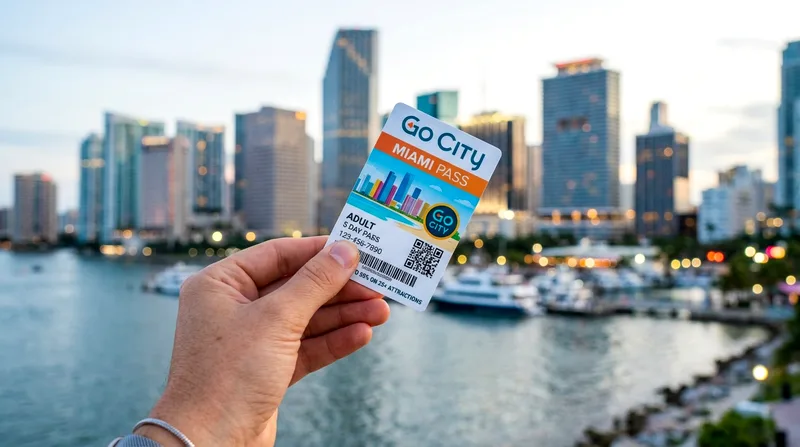
Honest review of the Miami Go City Pass: included attractions, pricing tiers, and a calculator approach to see if it saves you money.
9 min read · 10 Oct 2026