Book Frost Science Museum tickets online. Compare planetarium add-ons, aquarium bundles & family packages. Hours, prices & tips for Miami visitors.
What Is Frost Science Museum & Why Visit
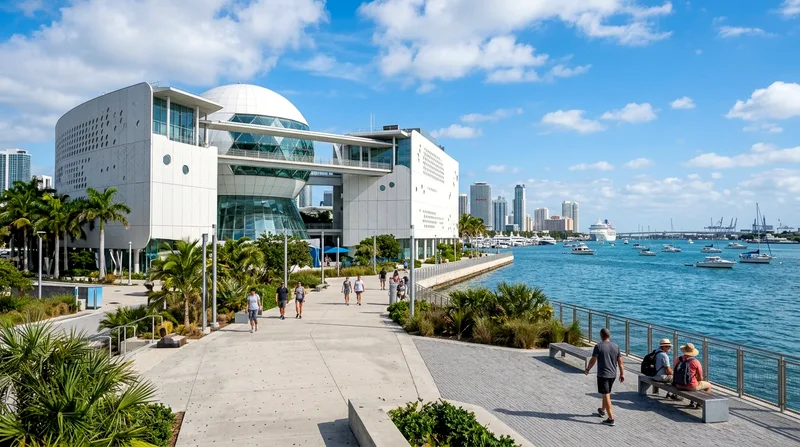
The Phillip and Patricia Frost Museum of Science sits on the edge of Biscayne Bay in downtown Miami's Museum Park, next door to the Pérez Art Museum Miami. It opened at this waterfront location in 2017, replacing the old Miami Museum of Science in Coconut Grove, and the upgrade shows — this is a purpose-built facility with a three-level aquarium, a planetarium, and galleries spread across roughly 250,000 square feet.
If you're deciding whether Frost Science deserves a slot in a packed Miami itinerary, here's the honest answer: it's worth half a day, not a full one, unless you have kids under 12 who'll happily spend three hours in the hands-on labs. Compare it to Chicago's Museum of Science and Industry and Frost comes out smaller in scope but stronger on design — the building itself, with its open-air aquarium tank visible from the street, is more architecturally interesting than most science museums manage.
Museum highlights and exhibits
The museum spreads across multiple levels connected by a spiral walkway. Expect a mix of permanent and rotating exhibits covering physics, technology, human health, and Florida ecosystems. The MeLaB (Medical Innovations Lab) and the Feathers to the Stars dinosaur-to-bird exhibit are consistent crowd favorites with kids. There's also a dedicated area for younger children, roughly ages 0-6, with soft play elements — useful if you're traveling with toddlers and need a break from older-kid-paced exhibits. Interactive stations dominate; this isn't a look-but-don't-touch museum, which is exactly why families rate it highly and why solo adult visitors without kids sometimes find it a bit juvenile for the admission price.
Planetarium and aquarium features
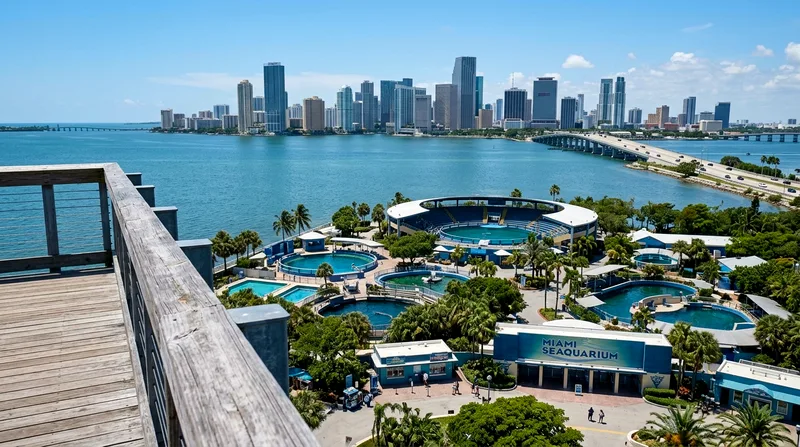
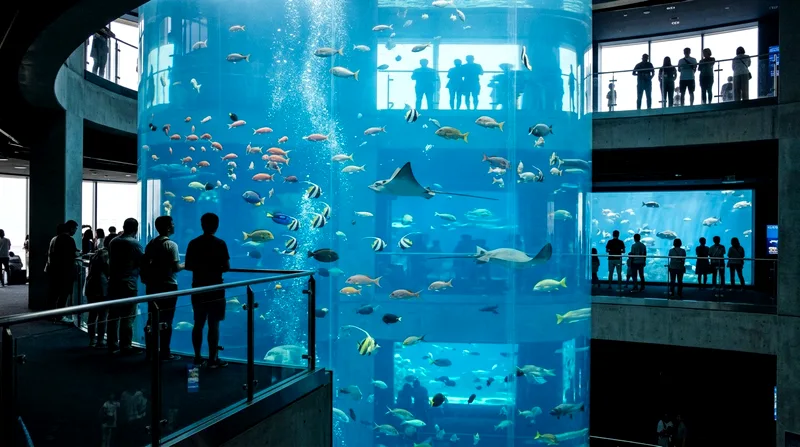
The Frost Planetarium uses a 67-foot dome and a Zeiss Starmaster projector system, making it one of the more technically capable planetariums in the southeastern U.S. Shows rotate between astronomy programs and immersive documentary-style films projected across the full dome — check what's currently screening when you book, since the lineup changes seasonally. The aquarium is the other headline feature: a three-level structure with a Gulf Stream tank, a shark exhibit with viewing from multiple angles, and a shallow touch pool that's genuinely engaging for kids under 10. It's smaller than Miami Seaquarium but better integrated into the surrounding exhibits, so you're not paying for a separate destination.
How to Visit: Independent vs. Guided Tours
Most visitors go the independent route here, and that's the right call for the vast majority of people. Frost Science isn't a site that benefits much from a guide the way, say, Vizcaya Museum's gardens or a Biscayne Bay boat tour would — the exhibits are self-explanatory, with signage designed for walk-through pacing, and staff members stationed throughout can answer specific questions.
Self-guided exploration
Plan for two to three hours if you're moving at a normal pace through the aquarium, exhibit halls, and one planetarium show. Families with young children who linger at every touch station should budget closer to four hours. There's no fixed route — you can start at the top of the spiral and work down, or begin at the aquarium if that's the priority for your group. The museum provides a general show schedule at the entrance each day, so time your planetarium visit around the exhibits rather than the other way around; shows typically run on the hour or every 90 minutes depending on the season.
Organized tour options
Dedicated guided tours of Frost Science itself aren't a major product category — unlike Everglades airboat tours or South Beach architecture walks, there isn't a cottage industry of third-party guides running groups through the museum. What you will find are bundled Miami sightseeing packages that include Frost Science as one stop alongside something like a Biscayne Bay boat tour or a Wynwood Walls visit. These can save time on a multi-attraction day but rarely save money versus buying the museum ticket direct, so weigh convenience against cost before booking a bundle.
Tickets, Bundles & Entry Fees
Frost Science Museum admission cost is tiered by age, with separate pricing for adults, seniors (65+), youth, and children under 3 who typically enter free. General admission covers the exhibit floors and aquarium but not the planetarium show — that's the detail that catches first-time visitors off guard. Prices vary by season and are subject to change, so always check the official site or your booking platform for current rates before you go; treat any number you see elsewhere as a rough guide, not a guarantee.
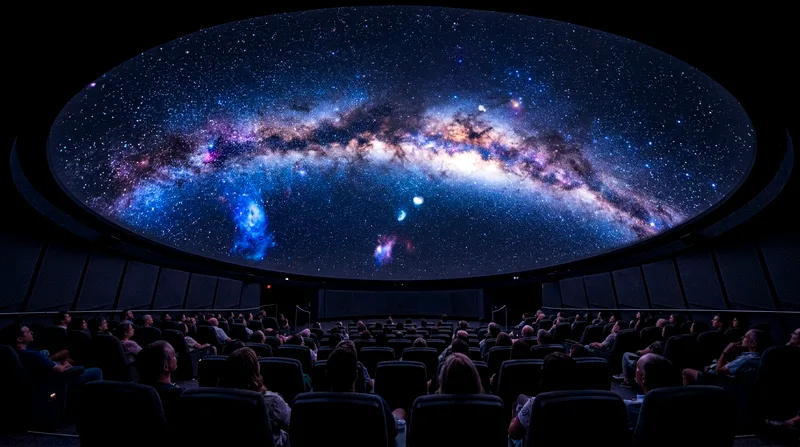
General admission does not include the planetarium show, so the combo ticket is the better value for most visitors.
Frost Science Museum tickets compared: admission types and what's included
| Ticket Type | Includes Planetarium | Best For | Typical Savings vs. Buying Separately |
|---|---|---|---|
| General Admission | No | Short visits, exhibit-only interest | None |
| Admission + Planetarium Combo | Yes | Most first-time visitors | Moderate |
| Family Package (2 adults + 2 children) | Yes (varies) | Families with young kids | Moderate, check age mix |
| Senior Admission (65+) | No, add-on available | Retired travelers, grandparents | Small discount vs. adult rate |
| Youth Admission (3-12) | No, add-on available | Children traveling with family | Small discount vs. adult rate |
| Membership (annual) | Often unlimited | Miami-based families, repeat visitors | Large if visiting 3+ times a year |
Prices and inclusions vary by season and are subject to change — check the official site or your booking platform for current rates.
Individual ticket types
Standard tiers run adult, senior, and youth (ages 3-12), with discounts generally in the 10-15% range for seniors and children compared to adult pricing. Miami-Dade County residents often qualify for a local discount with proof of address — worth checking if you're staying with Miami-based friends or family rather than at a hotel. Members of certain reciprocal science museum networks (check ASTC Travel Passport program eligibility) may get reduced or free admission, which is useful for frequent museum-goers who already hold a membership elsewhere in the U.S.
Planetarium add-ons and packages
Frost Museum planetarium tickets can be purchased as an add-on to general admission or, in some cases, as a standalone ticket if you only want the dome show. The combo ticket — general admission plus one planetarium show — is the better value for almost everyone, since the price difference versus admission-only is modest compared to buying separately later. A Frost Museum family package, where available, typically bundles two adults and two children at a reduced combined rate versus four individual tickets; it's worth comparing the bundle price against buying tickets individually, since family packages aren't always the cheaper option depending on the age mix of your group.
Best Time to Visit & Crowd Tips
Timing your visit well makes a bigger difference at Frost Science than at most Miami attractions, because the museum's footprint is compact enough that weekend crowds genuinely change the experience — lines for popular exhibits and planetarium seating fill up fast.
Seasonal patterns and peak hours
Winter months (December through March) bring Miami's peak tourist season, plus the museum fills with local school groups on weekday mornings during the academic year. Summer sees a different crowd — local families filling gaps in school vacation, often arriving right at opening to beat the afternoon heat outside (not that it matters much indoors, but parking lots and nearby walkways get busy). If you're visiting between Thanksgiving and New Year's, or during Miami's spring break stretch in March, arrive within the first hour of opening or expect a wait for the planetarium's better-attended shows.
Weekday vs. weekend considerations
Weekdays, particularly Tuesday through Thursday, are consistently quieter than weekends — school groups aside, you'll have more breathing room at touch pools and shorter waits for planetarium seating. Weekends bring families in from across South Florida, not just tourists, so Saturday afternoons are the single busiest window. If your schedule is flexible, a Thursday morning visit beats a Saturday one by a wide margin for comfort, even if it means rearranging a beach day.
Nearby Attractions & Add-Ons
Frost Science sits inside Museum Park, which makes it easy to combine with other downtown Miami stops without much extra transit time — a real advantage over attractions like Zoo Miami or the Everglades, which eat half a day just in driving.
Downtown Miami walking distance
The Pérez Art Museum Miami (PAMM) is a five-minute walk along the same waterfront promenade, making a two-museum day entirely feasible without a car. Bayfront Park and the Bayside Marketplace are roughly a 15-20 minute walk south along Biscayne Bay, useful if you want lunch with a water view afterward. The American Airlines Arena area and the Metromover (Miami's free elevated people-mover) both connect Museum Park to Brickell and downtown proper, which matters if you're staying in South Beach and don't want to drive — parking downtown runs noticeably higher than in most of Miami Beach.
Combination ticket opportunities
Some Miami attraction passes bundle Frost Science with PAMM, Jungle Island, or a Biscayne Bay boat tour — worth considering if you're planning three or more paid attractions during your stay, since per-attraction cost usually drops with a multi-pass versus buying each ticket at the door. Compare that against simply buying Frost Science direct if it's your only major indoor stop; for a single visit, the bundle rarely pencils out better. Parking at the museum itself is available in an on-site garage, with rates typically cheaper if you arrive early and higher during event days — accessible parking and wheelchair-accessible paths are available throughout, and the museum states its exhibits and restrooms meet ADA accessibility standards.
Frequently asked questions
How much do Frost Science Museum tickets cost?
Pricing is tiered by age — adult, senior (65+), and youth (3-12), with children under 3 generally free — and varies by season and whether you add the planetarium. Rather than quoting a fixed number that may be outdated, check the museum's official site or your booking platform for current rates before your visit, and compare the combo ticket against general admission alone.
Can you buy planetarium tickets separately?
In most cases, planetarium access is sold as an add-on to general admission rather than a fully standalone ticket, though some booking platforms offer planetarium-only slots for repeat visitors or locals with museum exhibit access already covered. The combo option (admission plus one show) is usually the better value if you haven't been to the museum before.
What's included in family ticket packages?
A typical Frost Museum family package bundles two adults and two children into one ticket covering general admission and often a planetarium show, at a combined rate lower than buying four separate tickets. Always check the age cutoffs for "child" pricing within the package — some packages define it narrowly (3-12), which matters if you're traveling with teenagers.
Is parking available at the museum?
Yes, Frost Science has an on-site parking garage with accessible spaces, and rates are generally lower earlier in the day and higher during special events. Downtown Miami street parking nearby is limited and metered, so the garage is the more reliable option, especially on weekends when Museum Park draws crowds for multiple venues at once.
What age groups get discounted admission?
Seniors aged 65 and up and youth aged 3-12 typically receive reduced admission compared to the standard adult rate, with children under 3 usually admitted free. Miami-Dade County residents may also qualify for a local discount with proof of address, and reciprocal museum membership programs can reduce or waive admission for cardholders visiting from out of state.