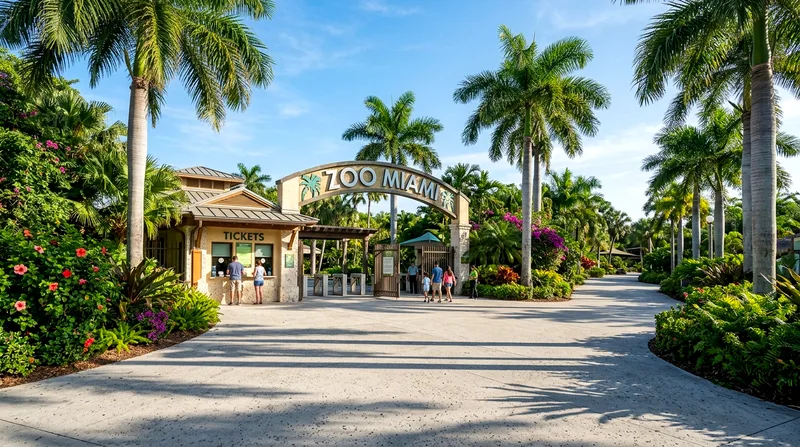
Book Miami Zoo tickets online. Compare entry prices, animal feeding experiences, behind-the-scenes tours, and family packages. Plan your visit today.
What Is Zoo Miami and Why Visit
Zoo Miami, formerly known as Metrozoo, sits on 740 acres in South Miami-Dade County and is the largest and oldest zoological garden in Florida. It's cageless in most sections — animals are separated from walkways by moats, glass, or natural barriers rather than bars — which makes it feel closer to a wildlife reserve than a traditional city zoo. If you're weighing Miami Zoo tickets against a day at Fairchild Tropical Botanic Garden or Vizcaya Museum and Gardens, know that Zoo Miami demands more time and more walking; plan for three to five hours minimum, not a quick stop.
The zoo houses over 3,000 animals representing roughly 500 species, with strong collections of Asian and African wildlife, plus a dedicated Florida section featuring native species overseen in partnership with conservation groups aligned with the Florida Fish and Wildlife Conservation Commission's mission. It's one of the few places near Miami where you can see an American Alligator in a naturalistic wetland setting without driving out to the Everglades.
Wildlife Collection and Exhibits
The exhibits are organized by continent, with highlights including the Amazon & Beyond complex, the Africa section with giraffe and rhino viewing, and an Australia area with free-ranging wallabies you can walk among. The Florida: Mission Everglades exhibit is smaller but worth the stop — it includes alligators, panthers, and native birds, and it's the closest thing to an Everglades preview without leaving the city. I'd skip rushing through the Tiger Temple area at midday; the tigers tend to retreat from heat and visibility drops. Early morning is far better for animal activity across the board.
Family-Friendly Activities
Beyond the animal paths, there's a splash pad (bring swimsuits, it's popular June through September), a carousel, and an air-conditioned monorail tour that loops much of the property — useful if small kids tire out halfway through. The petting zoo area lets children interact with goats and other domestic animals, and it's included in general admission, unlike the behind-the-scenes add-ons. Strollers and wagons are rentable near the entrance for a flat daily fee, which is worth it given the size of the property.
Ticket Types and Entry Prices
Zoo Miami entry price for general admission typically runs in the range of $25-$30 for adults and $20-$23 for children ages 3-11, with kids under 3 admitted free. Senior tickets usually come in a few dollars below adult price. These figures shift periodically, so always check current prices when booking rather than relying on a fixed number months out.
Parking is a separate line item — it is not included with Zoo Miami admission — and runs around $10-$15 per vehicle, paid at a booth before you reach the ticket windows. Buying Miami Zoo tickets online in advance is almost always cheaper and faster than paying at the gate, and it lets you skip the walk-up ticket line, which can run 15-20 minutes deep on weekend mornings.
General admission covers the full zoo grounds, but feeding encounters, behind-the-scenes tours, and parking all cost extra and are worth budgeting for separately.
Miami Zoo tickets compared: admission types, typical cost, and what's included
| Ticket Type | Typical Price (USD) | What's Included | Book Ahead? |
|---|---|---|---|
| Adult General Admission | $25-$30 | Full grounds, petting zoo | Recommended |
| Child Admission (3-11) | $20-$23 | Full grounds, petting zoo | Recommended |
| Family Package | Discounted bundle | 2 adults + 2 children entry | Recommended |
| Annual Membership | Varies, multi-visit value | Unlimited visits for a year | Not required |
| Behind-the-Scenes Tour | $40-$75 per person | Keeper areas, small-group guide | Required, days ahead |
| Giraffe/Lorikeet Feeding | Under $10 per item | Feed sticks or nectar cups | Recommended on weekends |
| Parking | $10-$15 per vehicle | On-site lot | Not required |
Prices are typical ranges and change periodically; check current prices when booking Miami Zoo tickets online.
General Admission Options
Single-day general admission covers the full zoo grounds, the petting zoo, and most exhibits. The monorail tour and carousel usually cost extra, a few dollars per ride, paid on-site. If you want to add the splash pad or a specific animal encounter, you'll typically bundle that in at checkout when buying online rather than paying separately at each attraction — this saves time once you're inside.
Multi-Day and Group Packages
Zoo Miami family tickets — usually sold as a household package for two adults and two children — tend to offer a modest discount over buying four separate tickets, often in the 10-15% range. Annual memberships make sense if you're a Miami-Dade resident or plan multiple visits in a year; they typically pay for themselves after two or three visits. Group rates for 15 or more visitors, common for school trips or tour groups, require advance booking and usually a deposit — don't expect to walk up and negotiate a group rate at the gate.
Guided Tours and Animal Experiences
If you only ever walk the main loop, you'll miss what makes Zoo Miami genuinely interesting: the add-on experiences. These cost extra, require advance booking in most cases, and deliver far more contact with animals than general admission alone.
Behind-the-Scenes Tour Options
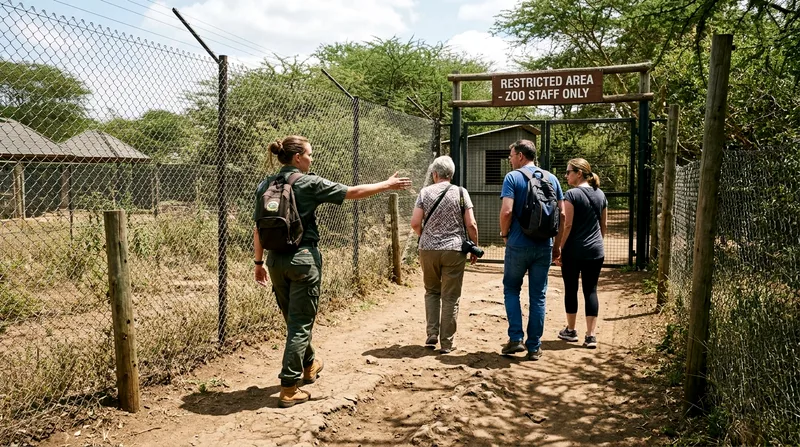
Zoo Miami behind-the-scenes tours typically run as small-group guided experiences, often limited to 10-15 people, lasting 60-90 minutes. These usually take you into keeper areas not visible from public paths — commissary kitchens, veterinary facilities, or holding areas for animals like rhinos or big cats. Expect to pay a premium on top of admission, often in the $40-$75 per person range depending on which animals are featured. Book at least a few days ahead during peak season (December through April); these slots fill faster than general admission.
Animal Feeding and Encounter Programs
Giraffe feeding is the signature Zoo Miola animal encounter — guests buy feeding sticks or lettuce bundles for a few dollars and hand-feed giraffes from an elevated platform. Lorikeet feeding, where small parakeets land on your hand or shoulder for nectar, is another popular paid add-on, usually under $10. Rhino encounters and some reptile interactions are also bookable, generally requiring reservation in advance rather than walk-up purchase, since keeper staff and animal welfare limits cap daily slots. If feeding a giraffe is the one thing your kids want to do, book it online before you arrive — these sell out on busy weekends by early afternoon.
Best Time to Visit Zoo Miami
Timing affects this visit more than most Miami attractions, because so much of it happens outdoors with limited shade in places.
Seasonal Weather Considerations
December through April is the comfortable stretch — dry season, lower humidity, temperatures generally in the mid-70s to low-80s Fahrenheit. May through October brings heavy humidity, frequent afternoon thunderstorms, and heat indexes that can make the second half of a visit miserable, particularly with young kids. If you're visiting in summer, arrive at opening (usually 9:30 or 10 a.m.) and plan to be done by early afternoon, before storms typically roll in around 2-4 p.m. Compare that to Key West or Fort Lauderdale beach days, which tolerate afternoon heat better because you're near water — Zoo Miami offers far less relief.
Crowd Levels and Visiting Tips
Weekday mornings, especially Tuesday through Thursday, are consistently the quietest. Weekends and school holidays bring noticeably larger crowds, longer lines for the monorail, and feeding slots that sell out. If you're a solo traveler or senior visitor who dislikes crowds, a weekday visit outside of U.S. school breaks is the better call — you'll get closer animal viewing and shorter waits at the few food and restroom hubs spread across the property.

How to Get There and Nearby Attractions
Zoo Miami sits well south of Downtown Miami and South Beach, in the Richmond Heights area near Coral Reef Park — plan on a 30-45 minute drive from most Miami Beach hotels depending on traffic, longer during rush hour on the Palmetto Expressway.
Directions and Parking
Most visitors arrive by car via the Florida Turnpike or US-1, with clear signage near the entrance. There's no direct Metrorail line to the zoo, so public transit involves a bus connection and takes considerably longer than driving — not ideal if you're short on time. Rideshare is a reasonable option for solo travelers or couples without a rental car, though note there's a drop-off and pickup zone some distance from the main gate, and return wait times can run long during closing hours.
Nearby Miami Attractions
Fairchild Tropical Botanic Garden and Vizcaya Museum and Gardens are both roughly 25-30 minutes north, making a reasonable pairing if you're renting a car for the day and want gardens plus wildlife rather than two zoo-style stops. Wynwood Walls, with its mural-covered warehouses, sits much farther north near Downtown and works better as a separate day — don't try to cram it in after a full zoo morning, the drive and the contrast in pace don't suit each other. Anglers based near Miami might also consider Everglades fishing charters on the same general drive south, since Zoo Miami's Everglades exhibit is a reasonable warm-up before the real thing.
Frequently asked questions
How much do Zoo Miami tickets cost?
General admission typically runs $25-$30 for adults and $20-$23 for children ages 3-11, with toddlers under 3 free. Parking adds another $10-$15 per vehicle. Prices shift periodically, so confirm current rates when booking online rather than budgeting off older figures.
Can you book animal feeding experiences in advance?
Yes, and for popular options like giraffe feeding, you should. Feeding sticks and lorikeet nectar cups are sold both on-site and online, but weekend slots can run out by early afternoon. Booking ahead guarantees the experience, especially if it's the main reason your kids want to visit.
What is included in behind-the-scenes tours?
These small-group tours, usually 10-15 people, run 60-90 minutes and take guests into keeper-only areas such as commissary kitchens or holding facilities for animals like rhinos. They cost extra on top of admission, typically $40-$75 per person, and require advance reservation since spots are limited daily.
Is parking included with Zoo Miami admission?
No. Parking is a separate charge, generally $10-$15 per vehicle, paid at a booth before reaching the ticket windows. Factor this into your total cost when comparing Zoo Miami against attractions like Vizcaya, which has more limited free street parking nearby.
What is the best time to visit Zoo Miami?
Weekday mornings between December and April offer the best combination of mild weather and low crowds. If visiting in summer, arrive at opening and plan to leave by early afternoon before humidity and storms set in — afternoons get genuinely uncomfortable with young children in tow.