Is a Miami food tour worth it? Compare guided tours vs self-guided crawls on cost per dish, time, and local insight before you book.
The Options at a Glance
Ask whether a Miami food tour is worth it and the honest answer is: it depends which version of "food tour" you mean. There are two distinct paths. One is a scheduled, guided experience where someone else plans the stops, handles reservations, and talks while you chew. The other is a self-guided crawl — you pick the neighborhood, map three or four stops, and walk it on your own clock.
Both get you to the same general destinations: Little Havana's Calle Ocho, Wynwood's warehouse-turned-restaurant strip, maybe a stretch of the Design District or Coral Gables. But the experience of getting there, and what you pay for the privilege, differs enough that the choice shouldn't be automatic. I've seen travelers assume a guided tour is always the "proper" way to eat through a new city, and that's not quite right for Miami, where a lot of the best food is walkable, unpretentious, and doesn't require a narrator.
What a guided food tour includes
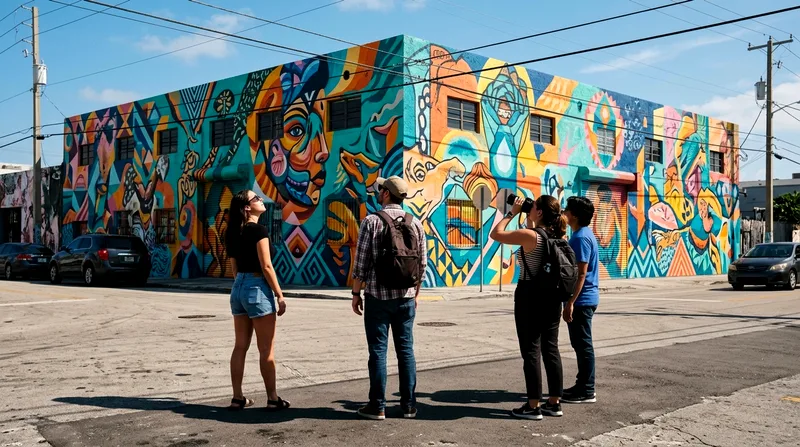
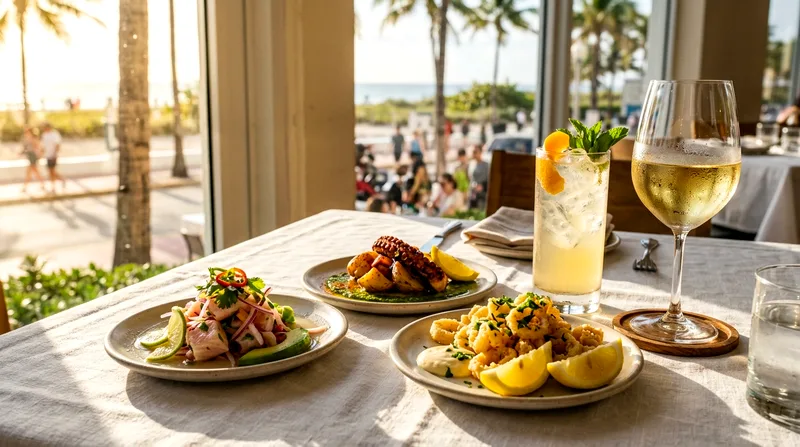
A typical guided food tour in Miami runs two and a half to three and a half hours, covers four to six tasting stops, and includes a licensed guide who walks the group between venues. Group sizes usually range from eight to sixteen people. Most tours operate in Little Havana, Wynwood, or South Beach, since those neighborhoods have dense, walkable restaurant clusters. Portions at each stop are tasting-size — a few bites or a small plate, not a full meal — though by the fourth or fifth stop most people feel reasonably full. Drinks (coffee, juice, sometimes a cocktail or beer) are often included at one or two stops but not all. Reservations, ordering, and bill-splitting are handled by the guide, which removes a layer of friction especially useful if you don't speak Spanish and you're in a neighborhood like Little Havana where a lot of menus and conversation happen in it.
What self-guided means in practice
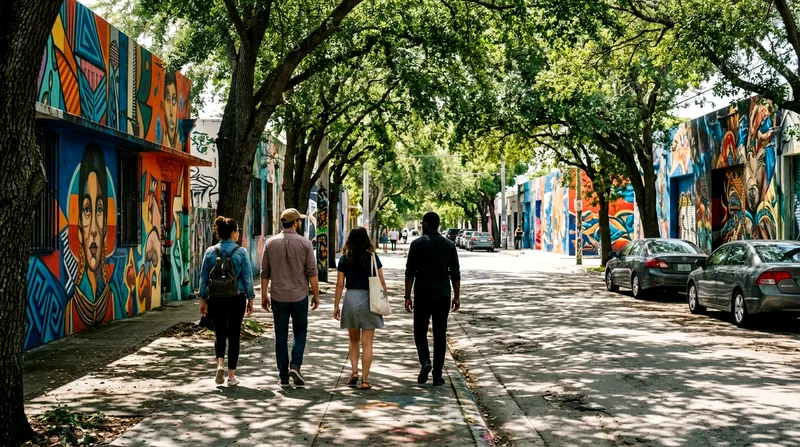
Self-guided means you build your own route using a map, a list of recommended spots, and your own sense of pacing. In practice this looks like picking a neighborhood — say, Allapattah for its produce markets and Dominican lunch counters, or Brickell for a more polished, higher-price crawl — and walking between three to five places over two to four hours. You order full dishes rather than tasting portions, which changes the math considerably. You control timing, so you can linger over a Cuban coffee window stop or skip a place that's clearly a tourist trap with a line out front. The trade-off is research time beforehand and zero guidance once you're there — no one's telling you that the unmarked window at the back of a Little Havana strip mall has better croquetas than the sit-down restaurant next door with the English menu and the higher prices.
Head-to-Head: Cost Per Dish
This is where the decision usually gets made, so it's worth doing the math honestly rather than assuming one option is obviously cheaper.
Guided tours cost more per bite but save time and decision-making; self-guided crawls cost less but require upfront research.
Miami food tour cost vs self-guided crawl by neighborhood
| Option | Typical cost per person | Duration | Stops | Best neighborhood |
|---|---|---|---|---|
| Guided tour — Little Havana | $65-$95 | 2.5-3 hrs | 4-6 tastings | Little Havana |
| Guided tour — Wynwood/South Beach | $85-$130 | 3-3.5 hrs | 4-5 tastings | Wynwood |
| Self-guided — Little Havana | $30-$45 | 2-3 hrs | 3-5 full/partial plates | Little Havana |
| Self-guided — Allapattah | $25-$40 | 2-3 hrs | 3-4 stops | Allapattah |
| Self-guided — Brickell/Design District | $55-$75 | 2-3 hrs | 3-4 stops | Design District |
Figures are typical ranges based on common tour pricing and restaurant costs; always check current prices when booking a tour.
Tour pricing breakdown
Guided Miami food tours typically cost between $65 and $130 per person, depending on the neighborhood, number of stops, and whether alcohol is included. Little Havana tours tend to sit at the lower-to-middle end of that range; Wynwood and South Beach tours, which often include a cocktail stop or a more design-forward venue, run higher. With five tasting stops at a $95 tour, you're paying roughly $19 per stop — for a few bites, not a full plate. That price covers more than the food, though: it includes the guide's time, any reservation fees, and the convenience of not waiting in line at popular spots. Still, if you're mentally calculating cost-per-bite, it looks steep next to a restaurant menu.
Self-guided spending reality
A self-guided crawl through three or four stops in Little Havana or Allapattah, ordering modest portions at each, typically runs $30 to $55 per person — sometimes less if you're sticking to counter-service spots and pastelitos rather than sit-down plates. In pricier areas like Brickell or the Design District, that same crawl can climb past $70 once you add a cocktail or a sit-down entrée. The self-guided route generally wins on raw cost, but only if you're disciplined about not over-ordering — it's easy to end up with more food than a tasting portion anyway, which changes your actual cost-per-bite in the other direction. The real savings come from skipping the guide fee, not from the food being inherently cheaper.
Time, Effort, and Crowds Compared
Food tours and self-guided crawls both eat up a similar chunk of your day — two to four hours — but how that time feels is where they really diverge.
Duration and pacing differences
Guided tours run on a fixed schedule. You'll typically get 15 to 25 minutes per stop, which is enough to eat and hear a few minutes of history or context, but not enough to linger if you find a place you love. Groups move together, so you're at the mercy of the slowest eater or the group photo. Self-guided crawls let you blow past a mediocre stop in ten minutes or sit for forty-five minutes somewhere good — that flexibility is the single biggest argument in favor of DIY, especially for couples or solo travelers who don't want to eat on someone else's clock.
Navigation and logistics
This is the guided tour's strongest practical argument. In Little Havana and parts of Allapattah, parking is genuinely difficult, some sidewalks are narrow and uneven, and a few of the best spots don't show up accurately on map apps or have inconsistent hours. A guide eliminates that friction entirely — no circling for parking, no showing up to a shuttered storefront. Self-guided travelers need to check hours in advance (many family-run spots close early or skip a day mid-week), and should expect at least one planned stop to be closed or different than expected. Budget a backup option for every neighborhood you crawl.
Views and Local Knowledge Factor
Food is only part of what you're paying for on a guided tour — the other part is context, and that's harder to put a price on but still worth weighing honestly.
Guide expertise and storytelling
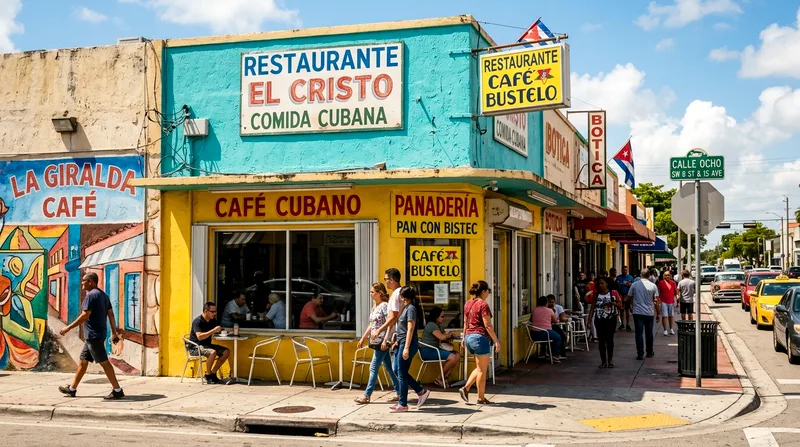
A good guide in Little Havana will tell you why a particular bakery's pan cubano recipe hasn't changed in fifty years, or point out which building used to be a cigar factory before it became a souvenir shop. That kind of texture is genuinely hard to get on your own unless you've done serious reading beforehand or happen to strike up a conversation with an older local at the counter. In Wynwood, the "local knowledge" is less historical and more practical — knowing which mural-adjacent restaurant is overpriced tourist bait versus which one locals actually eat at. Guides earn their fee here by filtering out the mediocre options for you.
Solo discovery and flexibility
Self-guided crawling rewards curiosity over efficiency. You can wander off-script near Vizcaya or through Coral Gables and stumble into a spot that isn't on any tour's fixed route — tour companies tend to have standing relationships with specific restaurants, so you'll see the same five or six venues on every version of a given tour. Going solo means you might eat worse once, but you also might find something a guided group never will. For world travelers who've done guided food tours in other cities and found them repetitive, Miami's self-guided option is a reasonable way to avoid déjà vu.
Who Should Choose Which
Neither option is objectively better — the right call depends on what kind of traveler you are and what you're optimizing for on this particular trip.
Best for guided tours
Choose a guided tour if this is your first visit to Miami and you want a crash course in Little Havana without the research. It's also the better call for senior travelers who'd rather not navigate uneven sidewalks and parking alone, for families with children who want built-in structure and someone else managing reservations, and for solo travelers who want the social element of a small group. If your trip is short — say, a two-day stopover before heading to Key West or the Bahamas — a guided tour compresses a lot of discovery into one afternoon.
Best for self-guided crawls
Choose self-guided if you're traveling on a tighter budget, you've been to Miami before, or you simply prefer eating full meals over tasting portions. Couples who want a slower, more romantic pace — say, a long lunch in Coral Gables followed by a walk near Vizcaya — are often better served doing it themselves. Anglers and sportsmen heading out early for a charter out of Haulover or Biscayne Bay often don't have the three-hour window a tour requires anyway, so a quick self-guided stop in Brickell or South Beach fits the schedule better.
The Verdict
A Miami food tour is worth it if you value context, convenience, and not having to think about logistics in neighborhoods like Little Havana where navigation and local knowledge genuinely matter. It's a weaker value proposition in Wynwood or South Beach, where you're mostly paying a convenience fee to visit restaurants you could just as easily find with a ten-minute search and a short walk. Self-guided crawls cost less, offer more flexibility, and work better for repeat visitors or anyone who dislikes fixed schedules — but they demand homework and a tolerance for the occasional closed storefront or mediocre meal.
If you're comparing Miami to other food-forward destinations — Tampa's Ybor City, New Orleans, or even Los Angeles's food truck scene — the calculus is similar: guided tours earn their cost in dense, historically rich neighborhoods, and lose value in trendier districts built for walk-in traffic. Compare current food tour prices and availability before you book, since seasonal demand around events like Art Basel or spring break can shift both pricing and group sizes.
Frequently asked questions
How much does a guided food tour cost in Miami?
Most guided food tours in Miami cost between $65 and $130 per person, depending on the neighborhood and number of tastings. Little Havana tours tend to run cheaper than Wynwood or South Beach tours that include a cocktail stop. Prices usually cover four to six tasting-size portions plus the guide's time — always check current pricing when booking, since it varies by season and group size.
Can you do a self-guided food tour in Miami?
Yes, and it's straightforward in walkable neighborhoods like Little Havana, Wynwood, and Coral Gables. Map three to five stops in advance, check hours (some family-run spots close early or skip a weekday), and budget $30 to $55 per person for a modest crawl. Allapattah and Little Havana tend to be the most affordable; Brickell and the Design District run higher.
Is a Miami food tour worth the money?
It's worth it if you want local context, don't want to handle reservations or navigation, or you're visiting Little Havana for the first time. It's a weaker value in neighborhoods like Wynwood or South Beach, where the same restaurants are easy to find and visit on your own for less money.
How long does a typical Miami food tour take?
Most guided tours run two and a half to three and a half hours, covering four to six stops at a fixed pace. Self-guided crawls take a similar two to four hours but let you control how long you spend at each stop, which matters if you want to linger somewhere you like.
Which Miami neighborhoods are best for food crawling?
Little Havana is the strongest overall choice, with dense, walkable Cuban food options and real historical context. Wynwood works well for a more design-forward crawl mixed with gallery browsing. Allapattah is the budget pick for Dominican and Caribbean food, while Coral Gables and Brickell suit a slower, higher-end self-guided pace.