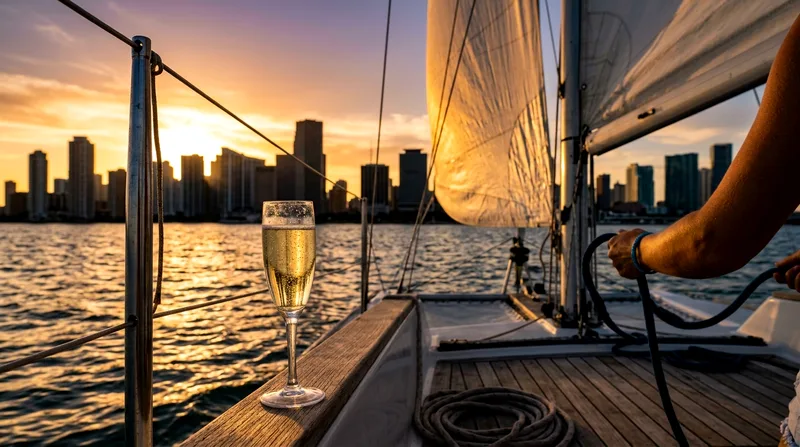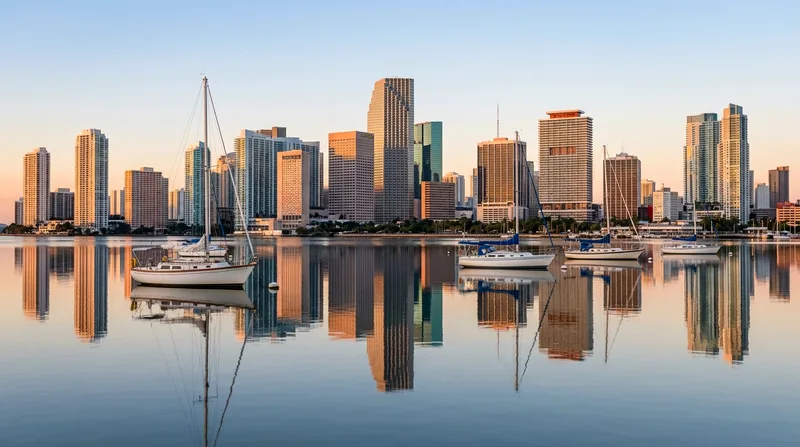
A Miami first time visitor guide covering neighborhoods, transport, weather, tipping, and booking tips to plan your trip with confidence.
Planning Your First Miami Trip
Miami isn't one destination — it's a dozen small ones stitched together by causeways, a river, and a bay. A Miami first time visitor guide has to start with that fact, because the mistake most newcomers make is booking a hotel based on a skyline photo without understanding what's actually walkable from it. South Beach and Downtown Miami are separated by Biscayne Bay and a 20-25 minute drive; Wynwood and Little Havana are inland, with no beach access at all.
Give yourself at least four days if this is your first visit and you want to see more than the hotel pool. Three days is workable if you're laser-focused on the beach and one or two excursions — a Biscayne Bay boat tour, an Everglades day trip. Anything less and you're better off treating Miami as a beach-only stopover and skipping the neighborhood-hopping entirely.
One honest trade-off: Miami's attractions are spread out, which means more time in transit than a city like Key West, where everything sits within a 1.5-mile island core. If tight logistics stress you out, that's worth factoring in before you book flights.
Getting Around Miami
Transportation is where first-timers either save money or burn it. Miami's public transit exists, but it's limited to specific corridors — it won't get you everywhere, and assuming otherwise is a common planning error.

Public transit options
The Metromover is a free, automated monorail that loops around Downtown Miami and Brickell — useful if you're staying in that area and want to skip parking fees, but it won't take you to the beach or Wynwood. Metrorail, the heavier rail line, connects Downtown to the airport (about 25-30 minutes) and north to places like Hialeah, but it skips Miami Beach entirely. Metrobus routes fill some gaps but run on schedules that can be unreliable, especially on weekends. For a European traveler used to Berlin's U-Bahn or London's Underground, Miami's transit will feel thin by comparison — it's a supplement, not a backbone.
Rental cars and rideshare
Uber and Lyft are the default for most visitors, and they work well between neighborhoods — expect a $15-30 fare from Miami Beach to Wynwood depending on traffic and time of day. A rental car makes sense if you're planning day trips to the Everglades, the Keys, or Fort Lauderdale, but parking in South Beach and Downtown runs $20-40 a day at hotels, and traffic on the MacArthur and Julia Tussman causeways backs up badly at rush hour. If your trip is beach-and-city only, skip the rental — it's a cost and hassle you don't need. If you're extending toward Key West or the Keys, book the car.
Neighborhoods to Explore
Choosing where to stay matters more in Miami than in most US cities, because the neighborhoods genuinely differ in character, price, and purpose. This is the core of Miami neighborhoods for tourists — get this decision right and the rest of the trip falls into place.
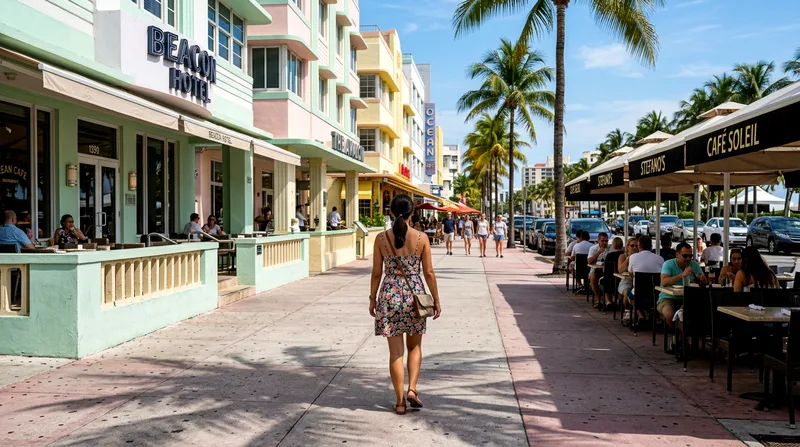
South Beach suits nightlife-focused visitors, while Coral Gables and Mid-Beach suit families and travelers who want quiet.
Miami neighborhoods for tourists compared: location, vibe, and who they suit
| Neighborhood | Distance from airport | Best for | Walkability | Price level |
|---|---|---|---|---|
| South Beach | approx. 25-30 min | Nightlife, beach, couples | High | High |
| Mid-Beach / North Beach | approx. 25-35 min | Families, quiet beach time | Moderate | Moderate |
| Downtown / Brickell | approx. 15-20 min | Business travelers, bay views | High | Moderate-High |
| Wynwood | approx. 15-20 min | Art, murals, day visits | High | Moderate (few hotels) |
| Little Havana | approx. 15 min | Culture, food, music | Moderate | Low-Moderate |
| Coral Gables | approx. 20-25 min | Couples, dining, golf | Moderate | High |
Drive times are approximate and vary with traffic; always check live conditions before relying on a tight schedule.
Beach and waterfront areas
South Beach is the postcard version of Miami Beach — Art Deco hotels, Ocean Drive, and the busiest stretch of sand. It's also the most expensive and the loudest, especially south of 10th Street at night. Mid-Beach and North Beach, a 10-15 minute drive north, offer quieter sand and lower hotel rates for families and couples who don't need to be in the middle of nightlife. Downtown Miami's Brickell waterfront along Biscayne Bay has no real beach but strong dining and skyline views, and it's the most convenient base if you're flying in and out without a car, given its proximity to Miami International Airport (roughly 15-20 minutes by car or rideshare).
Cultural and urban districts
Wynwood is Miami's street art district — murals, galleries, breweries — and it's walkable in a way few other parts of the city are, but it has almost no overnight lodging, so most people visit for an afternoon rather than stay there. Little Havana, centered on Calle Ocho, delivers Cuban coffee, cigar shops, and live music, and it rewards a slow two-hour walk more than a rushed drive-through. Coral Gables, south of Downtown, is leafier and more upscale — good for a quiet dinner or a round of golf, less exciting if you want nightlife. Compared to Fort Lauderdale's more subdued, yacht-club atmosphere, Miami's urban districts have sharper edges and louder energy — that's either a selling point or a reason to base yourself elsewhere, depending on your travel style.
Weather and Best Time to Visit
Timing shapes your Miami trip more than almost any other decision, and it's a question worth settling before you book flights or hotels.
Seasonal climate patterns
Winter and early spring — roughly December through April — bring Miami's best weather: daytime temperatures in the mid-70s to low-80s Fahrenheit, low humidity, and minimal rain. It's also peak season, with hotel rates climbing accordingly and South Beach crowded with visitors escaping colder climates, including large numbers of European travelers. Summer (June through September) is hot and humid, with afternoon thunderstorms that roll in fast and clear within an hour — annoying if you've planned an outdoor tour for 3pm, fine if you build flexibility into your schedule. Shoulder months like May and November often offer the best value: decent weather, lower rates, thinner crowds.
Hurricane season considerations
Atlantic hurricane season runs June 1 through November 30, with the highest activity typically in August and September. Direct hits on Miami are infrequent, but tropical storms bringing heavy rain and flight disruptions are a real possibility in those months. If you're booking a trip in this window, buy travel insurance that covers weather cancellations, and keep an eye on the National Hurricane Center's forecasts in the week before departure. Compared to Cancun or the Bahamas, which share a similar hurricane window, Miami's risk isn't higher — but it's not lower either, so don't assume a mainland US location is automatically safer.
Money, Tipping, and Costs
Miami isn't cheap, and first-time visitors from outside the US are often caught off guard by how costs stack on top of advertised prices — sales tax, resort fees, and tipping all add up fast.
Currency and payment methods
The US dollar is the only currency accepted; carrying euros or pounds and expecting exchange on the spot will waste your time outside the airport. Credit cards are accepted almost everywhere, including small Cuban cafes in Little Havana, but it's smart to carry $40-60 in small bills for tips, parking attendants, and the rare cash-only stall. Florida adds 6-7% sales tax depending on the county, and Miami-Dade hotels often tack on a daily "resort fee" of $25-40 that isn't included in the room rate you see when booking — check for this specifically before you confirm a reservation.
Typical tipping expectations
Tipping in Florida follows standard US norms: 18-20% at sit-down restaurants, $1-2 per drink at bars, 15-20% for taxi and rideshare drivers, and $2-5 per bag for hotel bellhops. Housekeeping tips of $3-5 per night are appreciated but not always given — do it anyway if you want decent service on a multi-night stay. European visitors used to service charges being included should note that Miami servers rely on tips as a core part of their income; skipping it isn't a cultural quirk, it's a real financial hit to the person serving you.
Booking Tours and Activities
Once you've settled on a neighborhood and dates, the next decision is what to lock in before you land versus what to leave open.
What to book in advance
Book your Biscayne Bay boat tour or sunset cruise ahead of arrival, especially in winter — these sell out on short notice because capacity per boat is limited. Same goes for an Everglades airboat tour, which typically runs half a day including transport, and anything involving a specific date like a Miami Heat game or a concert. If you want a guided food tour through Little Havana or a street art walking tour in Wynwood, reserving a few days ahead secures the better time slots — usually mornings, before the heat sets in. Compare current boat tours and prices before you book, since rates shift with season and fuel costs.
Last-minute booking options
Plenty of Miami experiences don't need advance booking at all. Beach time, walking Ocean Drive, browsing Wynwood's murals, or grabbing a cafecito in Little Havana — all of this works fine decided the morning of. Museum tickets for places like the Pérez Art Museum Miami or the Phillip and Patricia Frost Museum of Science can usually be bought same-day, though weekends get busier. If you're flexible, holding off on booking the second half of your itinerary until you've gotten a feel for the city — and the weather — often works out better than overplanning from home.
Frequently asked questions
Do I need a car to visit Miami?
Not if you're staying within one or two neighborhoods and relying on Uber or Lyft, which cost roughly $15-30 for most cross-town trips. You'll want a car only for day trips to the Everglades, the Florida Keys, or Fort Lauderdale, where public transit doesn't reach. Factor in $20-40 daily parking at most beach hotels if you do rent.
What is the best time to visit Miami?
December through April offers the most reliable weather — low humidity, little rain, daytime temperatures in the 70s and low 80s Fahrenheit — but it's also peak season with the highest hotel rates. May and November are a solid compromise: decent weather, noticeably lower prices, and fewer crowds than winter.
How much should I tip in Miami?
Standard US tipping applies: 18-20% at restaurants, 15-20% for rideshare and taxi drivers, $2-5 per bag for hotel porters, and $3-5 per night for housekeeping. Tips aren't optional extras here — they're a core part of service workers' income, unlike in much of Europe where service is often built into the price.
Which Miami neighborhood should I stay in?
South Beach suits visitors prioritizing nightlife and beach access, despite higher prices and noise. Mid-Beach or North Beach suit families wanting quieter sand, while Downtown/Brickell works best for travelers without a car who want proximity to the airport and bay views instead of beach access.
What should I book before arriving in Miami?
Lock in anything date-specific or capacity-limited: Biscayne Bay boat tours, Everglades airboat excursions, sports games, and concerts. Leave beach days, museum visits, and neighborhood walks flexible — they rarely require advance booking and are easier to plan once you know the weather.