A practical Miami senior travellers itinerary with accessible attractions, shaded stops, easy transport and booking tips for a comfortable visit.
Who This Itinerary Is For
This Miami senior travellers itinerary is built around a simple idea: fewer stops, shorter walks between them, and built-in rest. It suits travellers in their 60s, 70s, and beyond who want to see the city's real highlights — Art Deco streets, world-class museums, the Everglades — without racing a tour bus schedule or standing in sun-baked lines.
It's also a solid fit for anyone recovering from surgery, traveling with a cane or walker, or simply someone who prefers a 10am start over a 7am one. Compare it to a typical first-timer's Miami itinerary and you'll notice the difference immediately: no late-night South Beach clubbing, no six-mile walking days, and no back-to-back museum visits that leave your knees complaining by 3pm.
If you're the type who wants nonstop activity, this pacing will feel slow — and that's fine, because Orlando's theme parks or a high-energy Cancun resort trip might suit you better. But if comfort, shade, and the ability to sit down whenever you want matter more than covering ground fast, keep reading. I'd skip the airboat tours that bounce you around the Everglades at high speed; they're fun for some, but jarring on joints and hard on anyone with back issues. A slower pontoon or tram tour covers the same scenery without the jolting.
Each day below includes one experience worth booking ahead, plus a lower-effort alternative for hot afternoons or tired legs.
Day 2's museum-focused route offers the easiest pacing, while Day 3's Everglades outing requires the most advance planning around heat and transport.
Miami senior travellers itinerary: three days compared by pace and accessibility
| Day | Main Activity Type | Approx. Duration | Accessibility Level |
|---|---|---|---|
| Day 1 | Art Deco tour + sunset boat | Full day, light walking | High — paved paths, seated tours |
| Day 2 | Museums + gardens | Full day, mostly indoor/shaded | High — elevators, paved paths |
| Day 3 | Everglades + Little Havana | Full day, some driving | Moderate — boardwalk flat, heat exposure |
Timings are typical for a relaxed pace; actual tour durations and hours vary by season and operator, so confirm when booking.
Day 1: Art Deco & Beachside Ease
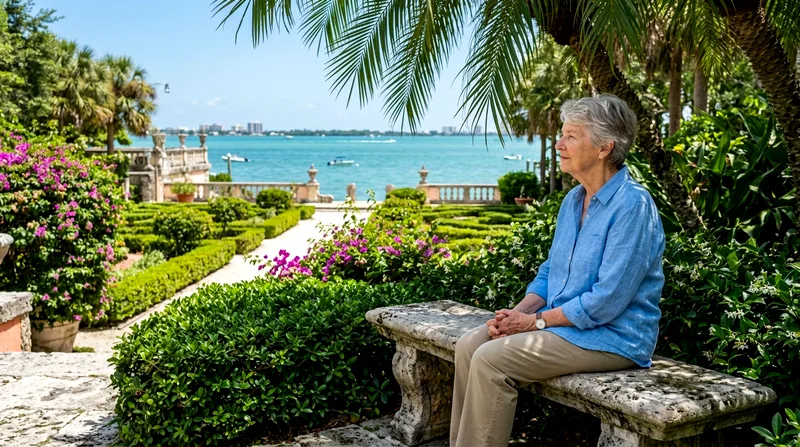
Day one eases you in with flat terrain, shade options, and short distances — ideal after a flight.
Morning and afternoon
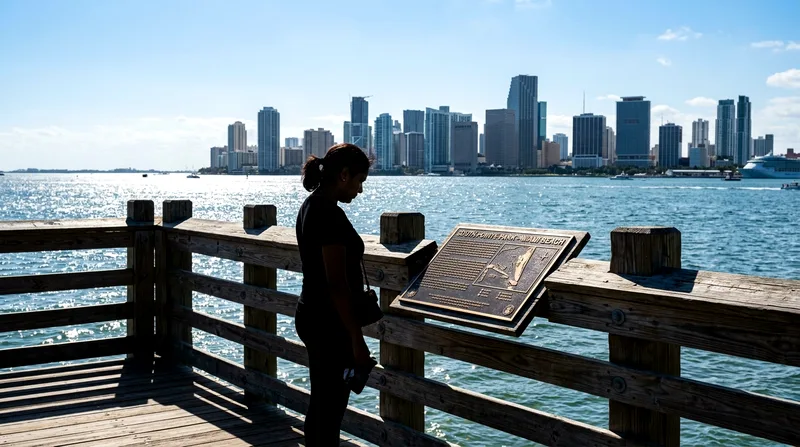
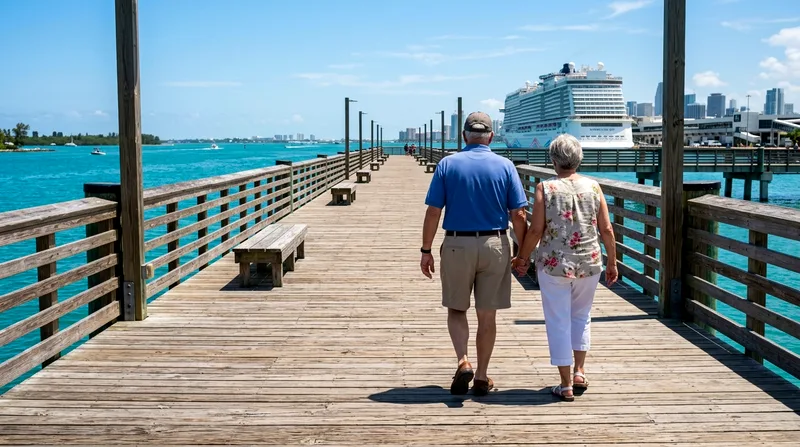
Start around 9:30am at South Pointe Park on the southern tip of Miami Beach. It's flat, paved, and has a long pier with benches every few hundred feet — good for watching cruise ships without a long walk. From there, a golf-cart-style Art Deco tour of Ocean Drive and Collins Avenue is the better choice over a walking tour; most run 60-90 minutes, cover roughly 1.5 miles, and let you sit while a guide points out the pastel hotels and design details. Walking the same route yourself in midday heat is doable but tiring — August and September humidity in particular can be rough even for fit travellers.
Lunch around 12:30pm at one of the sidewalk cafés on Española Way, a pedestrian block with umbrella-shaded tables and flat brick paving (watch your footing — the bricks are uneven in spots, which matters if you use a cane). Avoid the Ocean Drive restaurants directly on the main strip; they're pricier and the hosts can be pushy about seating.
Evening
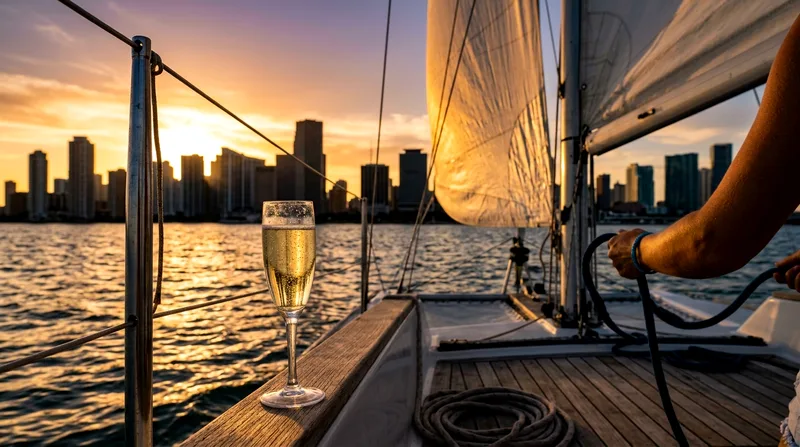
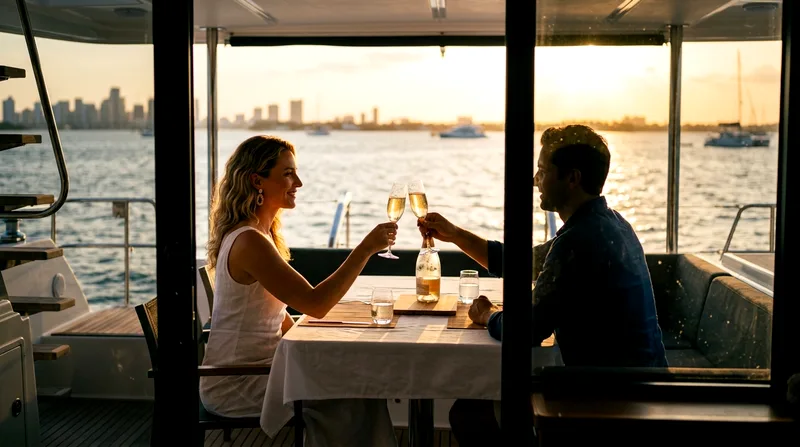
Book a sunset boat tour of Biscayne Bay for early evening, around 5:30 or 6pm depending on season. Most options run 60-90 minutes, depart from marinas near South Beach or downtown, and offer covered seating — ask specifically about shade when booking, since older boats sometimes have limited cover. This is the one reservation worth locking in a few days ahead, since sunset slots sell out faster than daytime ones. Compare current boat tours and prices before you book, and confirm boarding has a ramp or low step rather than a ladder.
If the weather turns, skip the boat and have an early dinner instead at a restaurant with water views in South Beach — less dramatic, but no rain, wind, or rocking deck to worry about.
Day 2: Cultural Gems & Waterfront Strolls
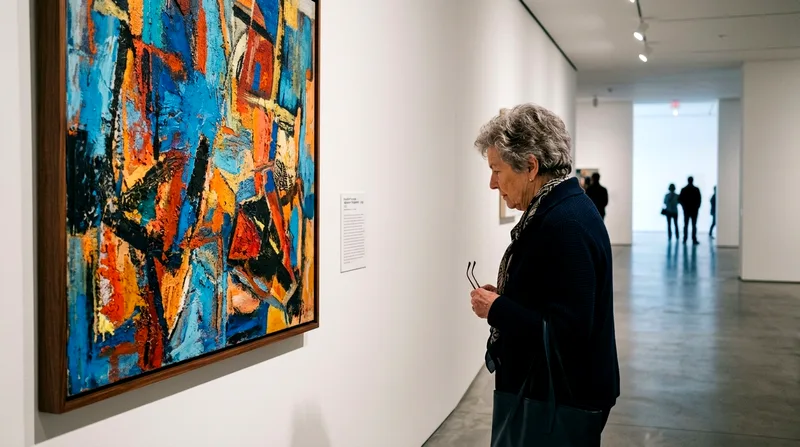
Day two shifts to museums and gardens — mostly indoors or shaded, with real benches and working elevators.
Morning and afternoon
Begin at Vizcaya Museum and Gardens in Coconut Grove around 9:30am, right at opening, before tour groups and heat arrive. The main house has an elevator to the upper floor, and the formal gardens have paved paths — though some side paths are gravel, so stick to the main loop if mobility is a concern. Budget 90 minutes to two hours; there are shaded benches throughout the gardens facing Biscayne Bay.
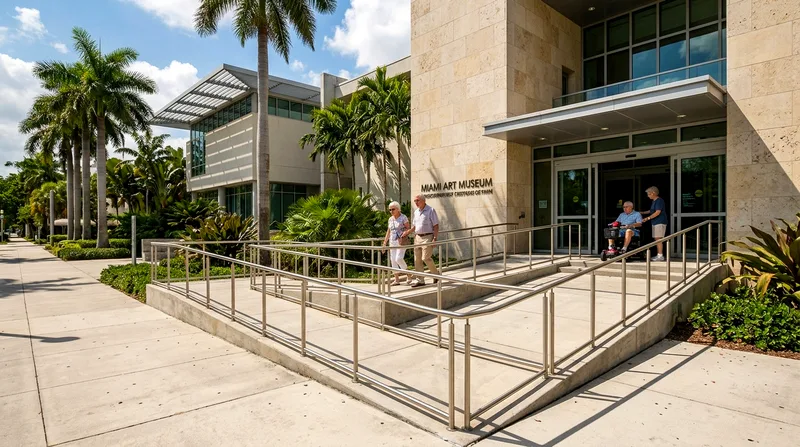
From there, it's a short drive (10-15 minutes) to the Pérez Art Museum Miami on the downtown waterfront. PAMM is fully accessible, single-level in its main galleries, with an outdoor terrace shaded by hanging gardens — a good lunch spot if the museum café is open, with bay views and seating that doesn't require you to find a table elsewhere. Allow 90 minutes. Skip the Miami Seaquarium if walking in full sun for 2+ hours doesn't appeal; it's mostly outdoor with limited shade, and the animal-welfare controversies around the park are worth knowing before you book.
Evening
Head to Coral Gables for an early dinner, around 6pm, on Miracle Mile — wide sidewalks, minimal elevation change, and plenty of outdoor seating under awnings. It's quieter than South Beach and easier to navigate after dark since the street lighting is better and crowds are thinner.
Alternative for tired legs: stay near Brickell instead and eat at one of the waterfront restaurants along the Miami River — a five-minute taxi from most downtown hotels, with level entry and no additional walking required after the museums.
Day 3: Nature & Scenic Relaxation
Day three trades city pavement for the Everglades — but the slow, scenic version, not the adventure-sport one.
Morning and afternoon
Everglades National Park is roughly 45-60 minutes from South Beach or downtown by car. Go early, around 8:30am, both for cooler temperatures and better wildlife visibility. Skip the high-speed airboat operators clustered near the Tamiami Trail — they're loud, bouncy, and genuinely unpleasant for anyone with back or hearing sensitivity. Instead, book a slower pontoon boat tour or a ranger-led tram tour along Shark Valley; the tram is a 15-mile paved loop, takes about two hours, and you stay seated the entire time with a guide narrating.
The Anhinga Trail near the main visitor center is a half-mile boardwalk loop, flat and wheelchair accessible, with alligators visible from the walkway most mornings — no strenuous hiking required. Bring water; there's little shade along the boardwalk itself, though the visitor center has air conditioning and clean restrooms.
Evening
On the drive back, stop in Little Havana for an early dinner around 5:30pm. Calle Ocho has uneven sidewalks in places, so stick to the main blocks near Máximo Gómez Park, which are better maintained. Live music spills onto the street some evenings — a nice low-effort way to end the trip without standing for long periods.
If the Everglades heat or the long drive wears you out, swap this for a shorter outing: Wynwood Walls instead, in late afternoon when the murals are in shade. It's a compact, flat outdoor gallery with benches scattered throughout — about 45 minutes is enough to see the highlights without overdoing it.
Getting Around Miami Comfortably
Miami's biggest accessibility problem isn't the attractions — it's the distances between them. The city sprawls, and public transit, while functional, isn't built for quick hops between neighborhoods the way London's Underground or New York's subway grid is.
Transportation options
Rideshare apps (Uber and Lyft) are the most practical option for most seniors — cars arrive in 5-10 minutes in most central areas, and both offer accessible vehicle options in Miami, though availability varies and wait times can run longer, sometimes 20-30 minutes. The Metromover, a free elevated train loop in downtown and Brickell, is fully accessible with elevators at every station and is worth using if you're based nearby — it beats paying for short rideshare trips. Avoid renting a car if you're not used to Miami traffic; parking downtown and in South Beach is expensive (often $20-40 a day at hotels) and confusing one-way systems trip up even confident drivers.
Accessibility considerations
Sidewalks vary enormously by neighborhood. Brickell and downtown have newer, wider sidewalks; parts of Little Havana and older sections of Miami Beach have cracked or narrow stretches. Curb cuts are common but not universal — if you use a wheelchair or walker, Coral Gables and Brickell are the most consistently smooth areas to walk. Heat is the other factor people underestimate: from June through September, humidity and temperatures in the 90s°F make midday outdoor activity genuinely risky for older travellers, so front-load outdoor plans into the morning.
Where to Base Yourself
Where you sleep affects this itinerary more than almost any other choice. Pick wrong and you'll spend an hour a day in transit you didn't plan for.
Neighbourhood recommendations
Brickell is the strongest base for this itinerary — central, connected to the free Metromover, close to PAMM, and a short rideshare to Coral Gables or South Beach. It's quieter at night than South Beach, which some seniors prefer, though it lacks beach access directly on foot.
Coral Gables suits travellers who want a calmer, more residential feel, with tree-lined streets and easy access to Vizcaya, but it's a 20-25 minute drive from the beach. South Beach itself works if beach access matters most to you, but choose a hotel north of 5th Street — the area right around the entertainment district gets loud late into the night, which isn't ideal for light sleepers. Compare this to Fort Lauderdale, which offers a calmer, less crowded beach scene with similarly flat, walkable areas — a reasonable alternative if Miami's pace still feels like too much, though you'll trade some museum and cultural options for it.
Frequently asked questions
What are the most accessible attractions in Miami for seniors?
Vizcaya Museum and Gardens, Pérez Art Museum Miami, and South Pointe Park are among the most accessible — all have paved or flat paths, elevators where needed, and ample seating. The Anhinga Trail boardwalk in Everglades National Park is also wheelchair accessible and requires no hiking.
How do seniors get around Miami without a car?
Rideshare apps are the most practical option, with cars typically arriving within 5-10 minutes in central areas; both major apps offer accessible vehicle requests. The free Metromover covers downtown and Brickell with step-free stations, useful if your hotel is nearby.
Which Miami neighbourhoods are best for older travellers?
Brickell and Coral Gables offer the smoothest sidewalks and calmest atmosphere. South Beach works well if beach access is a priority, but choose lodging north of 5th Street to avoid nightlife noise.
Are there guided tours designed for seniors in Miami?
Most operators don't market tours specifically to seniors, but slower-paced options — golf-cart Art Deco tours, ranger-led Everglades trams, and seated boat tours — function the same way. When booking, ask directly about seating, shade, and boarding steps rather than relying on marketing descriptions.
What is the best time of year for seniors to visit Miami?
December through April offers the most comfortable temperatures, typically in the 70s°F, with lower humidity than summer. June through September brings heat, humidity, and afternoon thunderstorms that can disrupt outdoor plans, so plan outdoor activities for mornings if visiting then.