Compare Miami helicopter and seaplane tours on views, cost, duration, and thrill factor. Find which aerial tour suits your luxury travel style.
Quick Comparison: Helicopter vs Seaplane
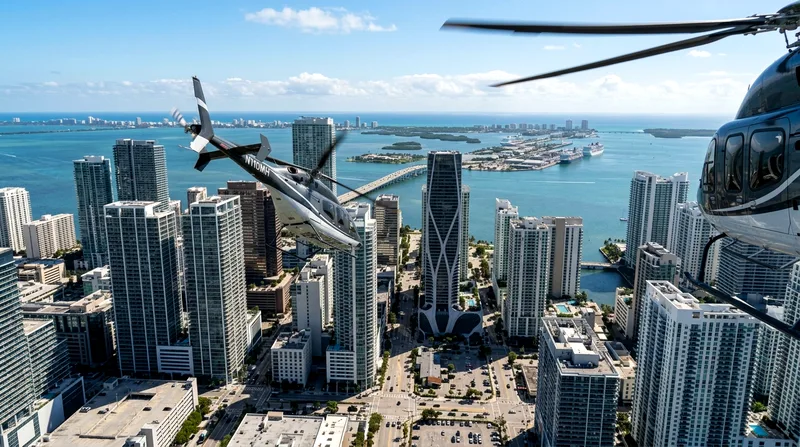
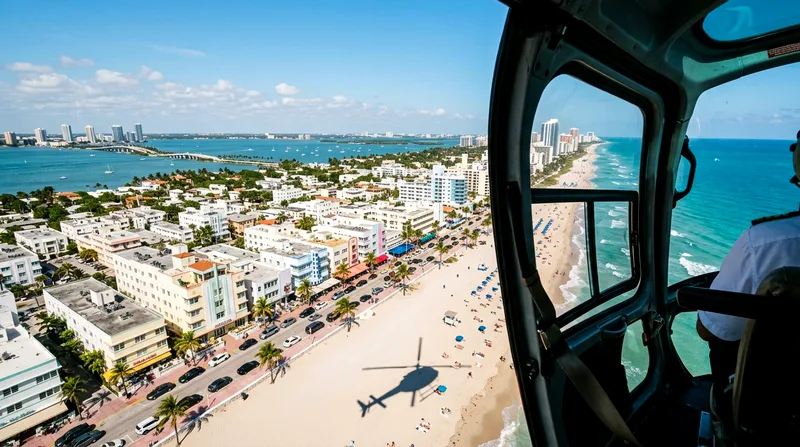
Both options put you a few hundred feet above Biscayne Bay within minutes of takeoff, but the experience diverges fast after that. A Miami helicopter tour prioritizes speed and vantage point — you're strapped into a compact cabin, climbing quickly over Downtown Miami's towers, then banking out toward Miami Beach and South Beach's hotel row. A seaplane tour trades some altitude and urban detail for a slower pace, a wider cabin window, and — depending on the route — an actual landing on open water.
If you've done a helicopter tour before in another city, Miami's version won't surprise you structurally: short flight, headset narration or pilot commentary, G-force-light banking turns. The seaplane is the less common format for most travelers, which is part of its appeal. Few U.S. cities offer scheduled seaplane sightseeing the way Miami does, thanks to its protected bay and flat, buildable water runways near Watson Island and the MacArthur Causeway area.
Price-wise, expect helicopter tours to start lower for short routes — typically in the $70–$150 per person range for 7 to 15 minutes — while seaplane tours tend to run longer by default and price closer to $150–$300 per person for 20- to 30-minute experiences that include a splash landing. Neither is a budget activity. If you're comparing against a sunset catamaran cruise on Biscayne Bay (often $40–$75 per person for 90 minutes), the aerial tours cost more per minute but deliver a perspective no boat can match.
Helicopters are faster and cheaper per flight, while seaplanes run longer and add a water landing you can't get any other way.
Miami helicopter vs seaplane tour: cost, duration, and experience compared
| Tour Type | Typical Duration | Typical Price (per person) | Best View | Water Landing | Thrill Level |
|---|---|---|---|---|---|
| Helicopter (short route) | 7-15 min | $70-$150 | Downtown skyline, South Beach | No | High (sharp turns, fast climb) |
| Helicopter (extended route) | 20-30 min | $150-$250 | Full coastline, Key Biscayne | No | High |
| Seaplane (standard tour) | 20-30 min | $150-$300 | Biscayne Bay, barrier islands | Usually yes | Moderate |
| Seaplane (Everglades add-on) | 45-60 min | $250-$400+ | Mangroves, inland waterways | Sometimes | Moderate |
Prices and routes vary by operator and season; always check current prices and included stops when booking.
What each tour includes
A standard Miami helicopter tour includes the flight itself, a pilot who typically doubles as narrator over the intercom, and a fixed route that usually covers Downtown Miami, South Beach, and sometimes Key Biscayne or Coral Gables depending on length. Most operators cap it at 3 to 4 passengers per flight in an R44 or similar light helicopter, and doors are usually kept on for safety and insurance reasons — don't expect the open-door photography flights you see in places like Kauai or Los Angeles.
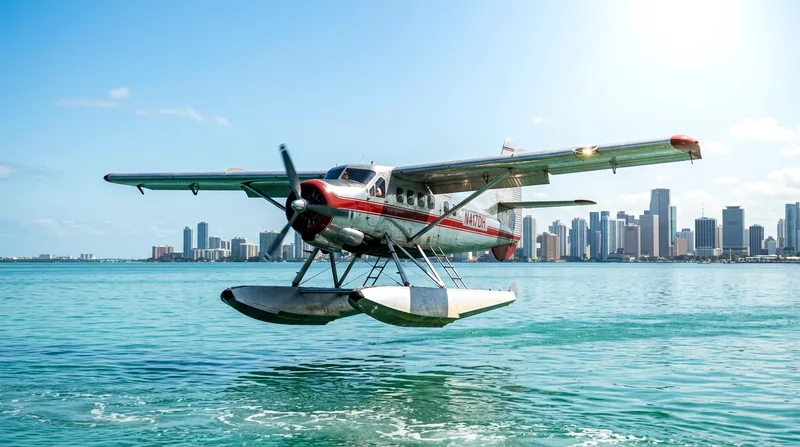
A seaplane tour includes the flight, narration from the pilot, and — on routes marketed as including a water landing — a stop on Biscayne Bay or near the Everglades before returning to the dock. Cabins seat anywhere from 2 to 6 passengers depending on the aircraft. Some seaplane operators pair the flight with a add-on like a brief stop at a sandbar or island, which helicopters can't legally do.
Experience overview
Think of the helicopter as the "highlight reel" option — fast, punchy, and built around hitting Miami's postcard shots: the Port of Miami cruise ships, the curve of South Beach, the Downtown skyline glowing at dusk. The seaplane is the "scenic cruise" option — lower average speed, more time over water, and a built-in sense of occasion when the floats touch down and the aircraft settles into the bay like a boat.
Neither tour typically overflies the Everglades in full unless you book a specific Everglades-focused route, which both helicopter and seaplane operators sometimes offer as a separate, longer product (45 minutes to an hour, priced accordingly higher). If true Everglades aerial views matter to you, confirm the route before booking rather than assuming a standard "Miami tour" covers it.
Head-to-Head: The Deciding Factors
Once you know roughly what each tour costs and includes, the decision usually comes down to five practical factors: how long you want to be airborne, what you're willing to spend, what you actually want to photograph, how much motion you can tolerate, and how much hassle you want around booking.
Duration and flight path
Helicopter tours are built for efficiency — most Miami routes last 7 to 20 minutes and follow a tight loop: lift off near Downtown or Opa-locka, swing over the Port of Miami and the bay, trace the hotels along South Beach, then return. A 7-minute flight sounds short because it is; you'll barely finish adjusting your camera before it's over. I'd skip the shortest package unless budget is the only concern — the 15- to 20-minute version gives you time to actually process what you're seeing.
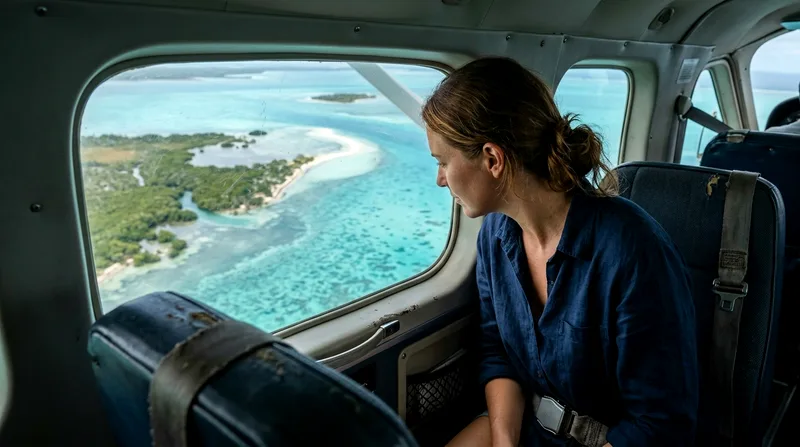
Seaplane routes run longer by design, typically 20 to 30 minutes, because part of the appeal is the slower cruise over Biscayne Bay before the landing sequence. That landing and the taxi back to the dock eat into flight time but add a distinct experience you won't get from a helicopter.
Cost and value
Per minute in the air, helicopters are usually the better value — you're paying roughly $8 to $12 per minute depending on route length, versus $7 to $15 per minute for seaplanes once you factor in the water landing. But per-minute math misses the point for most travelers. You're not buying minutes; you're buying a specific kind of memory. A couple celebrating an anniversary might find the seaplane's landing worth the premium, while a solo traveler on a tighter schedule might prefer the helicopter's shorter commitment and lower entry price.
Views and photo opportunities
Helicopters fly higher and faster, which gives you broader, more dramatic skyline shots — Downtown Miami's towers against the bay, South Beach's grid of Art Deco hotels, Key Biscayne stretching south. The trade-off is motion blur; shoot in burst mode and expect to delete half your shots. Seaplanes fly lower and slower over water, which favors shots of the coastline, boats, and the aircraft's own floats skimming the surface — great for video, less dramatic for skyline panoramas.
Thrill factor and comfort
Helicopters bank harder and climb faster, which some passengers love and others find unsettling — if you're prone to motion sickness, sit up front if the operator allows it. Seaplanes feel more like a small propeller plane with a dramatic ending; the water landing itself is a gentle, skimming touchdown rather than a jolt, and most passengers find it the calmer of the two experiences despite sounding more adventurous on paper.
Crowds and booking ease
Helicopter operators run more frequent departures throughout the day, so same-day or next-day booking is usually realistic. Seaplane tours operate with fewer aircraft and fewer daily slots, so if you want a specific morning or sunset departure, book at least a few days ahead, especially around winter high season from December through April when Miami's tourist volume peaks.
Who Should Choose Each Option
Neither tour is objectively "better" — they suit different travelers and different trip goals. Here's how I'd sort it by traveler type.
Best for helicopter tours
Choose the helicopter if you're short on time, traveling solo or as a couple, and want maximum skyline drama for minimum commitment. It's also the better pick for anglers and sportsmen staying near Key Biscayne who want a quick bird's-eye scouting view of the flats and channels before a fishing charter. Fashion and luxury travelers chasing a dramatic photo of Miami Beach's coastline from above will get more usable shots here than from a seaplane. Families with children over the minimum age (usually 2 years, though check with the operator) often prefer the shorter duration too — 10 minutes is about the ceiling for a restless 6-year-old's patience.
Best for seaplane tours
Choose the seaplane if you want a slower, more memorable arc to the experience — couples celebrating anniversaries or honeymoons consistently rate the water landing as the highlight. Senior travelers who prefer a gentler ride without sharp banking turns tend to find seaplanes more comfortable. European and world travelers who've already done helicopter tours in other cities (London, Dubai, Los Angeles) often choose the seaplane in Miami specifically because it's the less common format back home. If an Everglades add-on is available and you have the extra 20-30 minutes and budget, it's worth it for the contrast between the bay and the mangrove interior.
The Verdict: Which Tour to Book
If I had to book one for a first-time visitor with no particular preference, I'd lean toward the helicopter for its speed, lower cost of entry, and sharper skyline photography — it's the more efficient way to see Downtown Miami, South Beach, and the bay in one quick hit, and it fits easily into a half-day Miami itinerary alongside something like a Wynwood walking tour or a Biscayne Bay boat tour.
But the seaplane earns its premium for travelers who want a slower, more distinct experience and don't mind paying $50 to $100 more per person for it. It's a better fit for an anniversary, a milestone birthday, or anyone who's already flown a conventional helicopter tour elsewhere and wants Miami to feel different. Compare that against a Miami Beach sunset cruise or a day trip to the Everglades by airboat — both cheaper, both slower, neither offering the aerial perspective.
Whichever you pick, avoid booking the absolute cheapest, shortest option purely on price. A 5- to 7-minute flight at the lowest end of the price range often means you're airborne for less time than it takes to get through the pre-flight safety briefing. Spend the extra $30 to $50 for the mid-length route — on both helicopter and seaplane tours, that's typically where the real value sits. Compare current prices and available routes before you book, since seasonal demand and fuel surcharges can shift rates month to month.
Frequently asked questions
Which tour offers better views of Miami?
Helicopters generally offer better views of the skyline and urban layout because they fly higher and faster, covering more ground — Downtown, South Beach, and Key Biscayne in one route. Seaplanes offer better views of the water itself, including boat traffic and the barrier islands, since they fly lower and slower. If skyline photography is your priority, book the helicopter; if coastline and water scenery matter more, go with the seaplane.
How much does a helicopter tour cost compared to a seaplane tour?
Short helicopter tours (7-15 minutes) typically run $70 to $150 per person, while seaplane tours (20-30 minutes, usually including a water landing) run $150 to $300 per person. Extended helicopter routes can approach seaplane pricing. Always check current prices when booking, since fuel costs and seasonal demand shift rates.
Can you land on water during a helicopter tour?
No — standard Miami helicopter tours do not land on water; they fly a continuous route and return to the same helipad. Water landings are a feature specific to seaplane tours, which is one of the main reasons travelers choose a seaplane over a helicopter despite the usually higher price.
Which aerial tour is better for photography?
Helicopters suit dramatic wide skyline shots best, since altitude and speed create strong compositions of Downtown Miami and South Beach, though motion blur is common — shoot in burst mode. Seaplanes suit slower, steadier shots of the coastline and water, plus unique footage of the landing itself. Serious photographers often prefer helicopters for stills and seaplanes for video.
Are seaplane tours safer than helicopter tours?
Both are regulated by the FAA and operated by licensed commercial pilots, and neither has an inherently higher safety record in Miami specifically. Seaplanes feel calmer because they bank less aggressively, but "feels calmer" isn't the same as "statistically safer." Choose based on comfort preference, not a safety assumption, and confirm any operator's certification before booking.