Book Miami live music and show tickets online. Find comedy clubs, concert venues, and cabaret shows with seating tips and official ticket links.
What Are Miami Live Music Tickets?
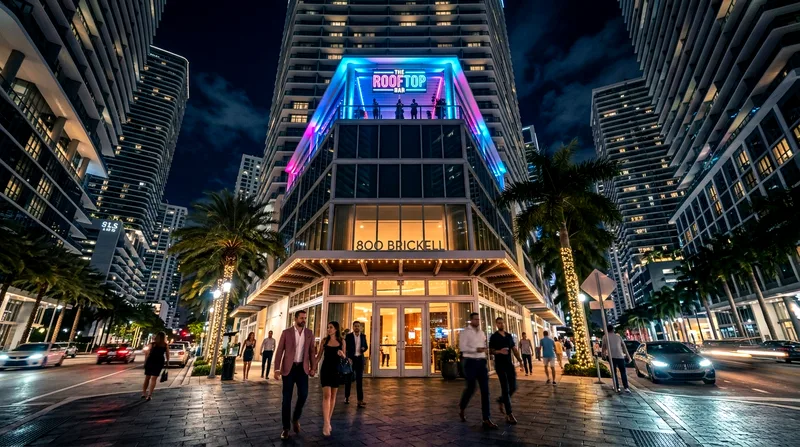
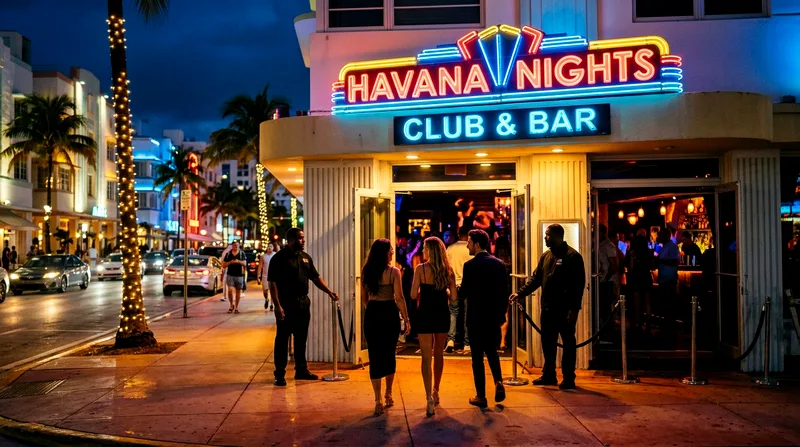
Miami live music tickets cover everything from a $15 cover charge at a Little Havana jazz bar to a $200+ reserved seat for a touring act at a downtown arena. The city's entertainment scene is split across distinct zones — South Beach for late-night clubs and lounges, Brickell for upscale rooftop venues, Wynwood for warehouse-style concert spaces near the Wynwood Walls murals, and Coconut Grove and the Design District for smaller, design-forward venues that book jazz, soul, and singer-songwriter acts.
Buying a ticket in Miami isn't a single transaction type. Some venues sell general admission standing tickets only; others run full reserved-seating systems with tiered pricing by section. A handful of comedy clubs and cabaret rooms require a minimum food-and-drink spend on top of the cover charge, which catches first-time visitors off guard. If you're coming from a market like Los Angeles or New York where this is standard, it won't surprise you — but travelers from Europe or the Bahamas often don't expect it and end up annoyed at the final bill.
The honest take: Miami's live music scene is good but not deep in the way Nashville or Austin is. You're more likely to find a strong comedy club lineup or a touring pop act at a major venue than a dense local scene of unknown bands worth discovering on a whim. Plan around a specific show, not a vague night out.
Live music venues and concert halls
The Adrienne Arsht Center for the Performing Arts in downtown Miami is the anchor for symphony, opera, and larger-scale touring productions — it's two halls under one roof, the Ziff Ballet Opera House and the Knight Concert Hall, both with full reserved seating. For arena-scale concerts, the venue most visitors mean when they say "Miami arena" is the Kaseya Center (long known as American Airlines Arena), home to major touring acts between Heat basketball games. The Fillmore Miami Beach, inside the historic Jackie Gleason Theater on Washington Avenue, is the sweet spot for mid-size touring artists — capacity around 2,700, with a mix of floor general admission and balcony reserved seating. If you want an actual show rather than background music at a bar, start your search with these three.
Comedy clubs and cabaret shows
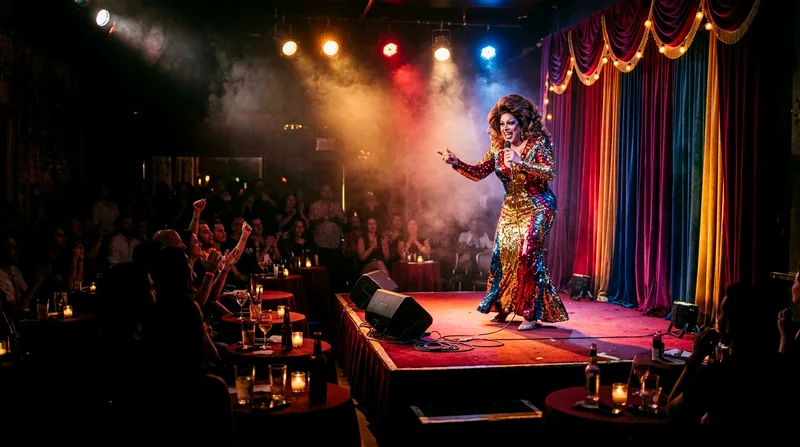
Miami's comedy clubs run two-show nights on weekends (typically 7:30 and 9:45 or similar splits — confirm per venue), and most enforce a two-item minimum on food or drink per ticket. Cabaret and burlesque-style shows cluster around South Beach and tend to be smaller rooms, 100-300 seats, where every seat is reasonably close to the stage — unlike an arena show, seat location barely matters here, so book based on schedule and price, not section.
What's Included and Excluded
A Miami show ticket gets you entry and, at reserved venues, a specific seat. That's usually where inclusion ends. Parking, drinks, VIP lounge access, and merchandise are almost always separate purchases, and at comedy clubs the food/drink minimum is mandatory, not optional — refusing it at the door can mean refusal of entry, so read the fine print before you buy.
What ticket covers
Standard admission covers the performance itself and, for reserved seating, your assigned section and seat number. Some venues bundle a printed or digital program; arenas rarely do. If a listing says "VIP package," check exactly what that means per venue — it might be early entry and a merch item, or it might include a meet-and-greet. These packages vary enormously and are never standardized across Miami venues, so don't assume parity between a Fillmore VIP ticket and an arena VIP ticket.
Fees and add-ons to expect
Expect service fees of roughly 10-20% added at checkout on most third-party and even some official platforms — this is standard across the U.S. ticketing industry, not unique to Miami. Parking near downtown venues like the Kaseya Center or Arsht Center typically runs $20-40 depending on the event and nearby garage, and street parking on a concert night is close to impossible. Comedy club minimums usually run $15-25 per person on top of the ticket. If you're budgeting tightly, factor these in before comparing a Miami night out to, say, a show in Fort Lauderdale, where parking is often cheaper and easier.
Comparing Ticket Types and Venues
Not every ticket type suits every show, and picking wrong can mean standing for three hours or paying for a seat you didn't need. The core decision is general admission versus reserved, and the second is matching venue size to the kind of experience you actually want.
The right Miami venue depends on whether you want intimacy, scale, or a guaranteed seat.
Miami live music venues compared: size, seating, and best use
| Venue | Typical Capacity | Seating Type | Best For |
|---|---|---|---|
| The Fillmore Miami Beach | approx. 2,700 | Mixed GA floor / reserved balcony | Mid-size touring acts, first-time visitors |
| Kaseya Center (arena) | approx. 19,000 | Reserved + GA floor sections | Major touring concerts, big productions |
| Adrienne Arsht Center | 2,400 (Opera House), 756 (Concert Hall) | Fully reserved | Symphony, opera, theater-style shows |
| South Beach cabaret/comedy clubs | 100-300 | Reserved tables or GA seating | Comedy, burlesque, intimate shows |
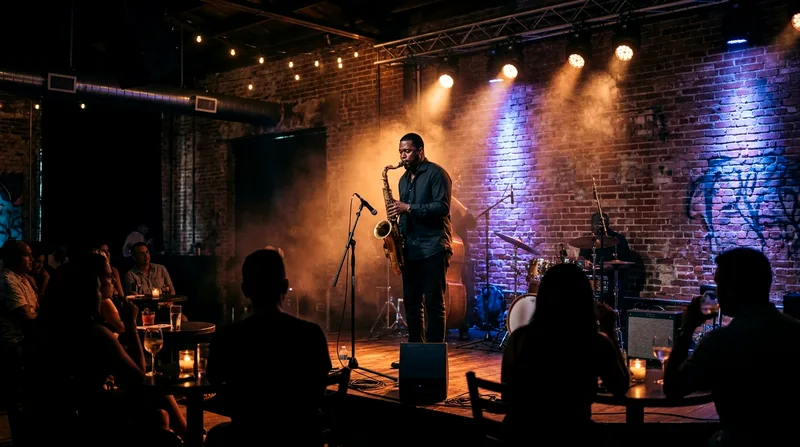
| Coconut Grove / Design District venues | 100-500 | Mostly GA or open floor | Jazz, soul, singer-songwriter acts |
Capacities are approximate and vary by configuration; always check the specific venue's seating chart for your event before buying.
General admission vs. reserved seating
General admission (GA) means no assigned seat — you claim space on the floor or in a standing section, and arrival time determines your position. It suits high-energy shows and younger crowds willing to stand for two-plus hours. Reserved seating assigns you a specific seat by section, row, and number, and it's the better call for seniors, families with kids, or anyone who wants a guaranteed sightline without the scrum near the stage. The Fillmore and Arsht Center both offer reserved options for most shows; arena floor sections are frequently GA even when the rest of the building is reserved, so double-check the seating map for your specific event before buying.
Venue size and experience differences
A 200-seat cabaret room in South Beach and a 19,000-seat arena downtown are not comparable experiences even if the headliner is similar in stature — intimacy versus scale is the real trade-off. Smaller rooms mean better sightlines and sound, but also higher per-ticket prices relative to capacity and less flexibility if the show sells out. Arenas offer more ticket tiers and availability but a worse view from upper sections, and sound quality in a cavernous space rarely matches a dedicated concert hall. If this is your first Miami show, I'd steer first-timers toward The Fillmore over the arena — it's a legitimate landmark on its own, built in the 1950s, and the mid-size format gives you a better sense of Miami's entertainment identity than a generic arena night.
Where and How to Buy Tickets
Booking Miami show tickets correctly means knowing which channel to trust first. Official sources protect you from inflated resale prices and fake listings; third-party sites can be useful but require more scrutiny.
Official venue websites and box offices
Start at the venue's own website. The Arsht Center, The Fillmore, and Kaseya Center all run their own ticketing pages or partner directly with a primary ticketing provider, and buying there avoids secondary-market markups that can run 50% or more above face value. Many venues also maintain a physical box office with no-fee or reduced-fee in-person purchase options, worth it if you're already in the area and the convenience fee online feels steep. Always confirm current prices and showtimes on the official site — don't rely on a cached price you saw weeks earlier, since Miami schedules shift with touring routes.
Authorized third-party platforms
Major ticketing platforms (the ones venues themselves partner with) are safe and typically the same price as buying direct, just with their own fee structure layered on. Avoid unauthorized resale sites with no clear refund policy or seat-location guarantee — if a listing seems far below face value for a sold-out show, that's a red flag, not a deal. For comedy clubs and smaller cabaret venues, check whether the venue sells through its own site before defaulting to a third-party aggregator; smaller rooms sometimes aren't listed on the big platforms at all.
Is It Worth It? By Traveller Type
Whether Miami live music tickets are worth the spend depends heavily on who's buying and why. A solo traveler chasing a specific artist has very different math than a family deciding between a show and a night at the beach.
Solo travellers and music enthusiasts
If you're traveling alone and serious about music, Miami rewards planning around a specific act rather than wandering into clubs hoping for a scene — unlike New Orleans or Austin, there's no dense live-music grid where every bar has a band. Book a single strong show at The Fillmore or a comedy club in South Beach, and treat it as the entertainment anchor of your trip rather than one of several nightly options.
Groups and special occasions
For groups and celebrations, reserved seating or a VIP table at a cabaret venue makes more sense than general admission — nobody wants to lose their group in a GA crowd. Many South Beach venues offer bottle-service tables near the stage; expect a few-hundred-dollar minimum, but it buys guaranteed proximity and seating for the whole party, which standard GA tickets can't promise once a show is near capacity.
Frequently asked questions
What types of live entertainment venues are in Miami?
Miami spans arenas (Kaseya Center), mid-size concert halls (The Fillmore Miami Beach), performing arts centers (Adrienne Arsht Center), plus smaller comedy clubs and cabaret rooms concentrated in South Beach, with jazz and acoustic venues scattered through Coconut Grove and the Design District.
How far in advance should I book Miami show tickets?
Book major touring acts at arenas or The Fillmore 4-8 weeks ahead, since popular shows sell out reserved sections early. Comedy clubs and smaller cabaret shows can often be booked a few days to a week out, though weekend slots fill faster than weeknights.
Are there hidden fees when buying tickets online?
Service and processing fees of roughly 10-20% are standard and shown at checkout, not truly "hidden," but easy to miss if you don't review the order summary. Comedy clubs add a separate food/drink minimum that isn't part of the ticket price at all — factor that in before you book.
What's the difference between general admission and reserved seating?
General admission means no assigned seat — first-come positioning on a floor or standing area. Reserved seating assigns a specific seat by section and row, guaranteed regardless of arrival time, and is generally the better choice for seniors, families, or anyone unwilling to stand for a full show.
Which venues offer the best experience for first-time visitors?
The Fillmore Miami Beach is the strongest first-timer pick — mid-size, historic building, solid sound, and a realistic chance of good sightlines even from reserved balcony seats. The Arsht Center suits those wanting a more formal evening with orchestral or theatrical programming.