Compare Miami snorkeling tours by reef quality and difficulty. Find the right excursion for families, solo travellers, and experienced snorkelers.
Who Each Snorkeling Tour Suits
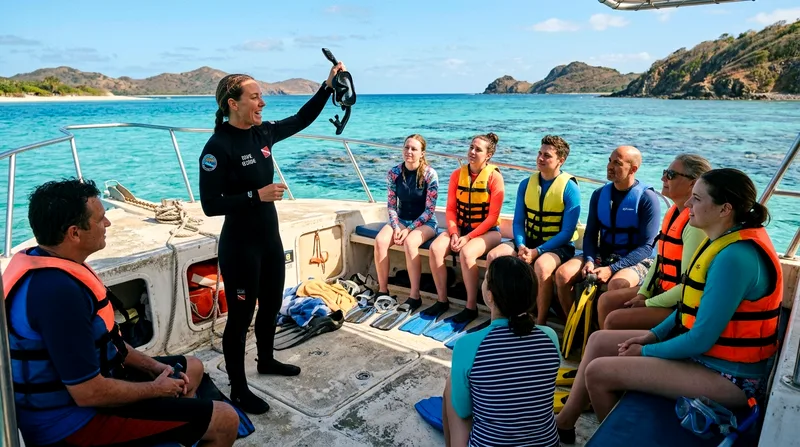
Miami snorkeling tours aren't one-size-fits-all, and the operators who pretend otherwise usually disappoint someone on the boat. The water here isn't the glass-clear Caribbean blue you'll find off Key West or in the Bahamas — Biscayne Bay and the nearshore Atlantic run cloudier, especially after rain, with visibility that swings between 10 and 30 feet depending on the week. Knowing who you are as a snorkeler matters more than which company you pick.
A family with two kids under ten has very different needs than a solo diver chasing wreck sites in 40 feet of water. The former wants a shallow reef tour, a stable boat, and a crew that hovers nearby. The latter wants depth, current, and minimal hand-holding. Matching your group to the right tour type avoids the two most common complaints in this market: bored experienced snorkelers stuck on a beginner reef, and nervous beginners dragged out to deep wreck sites they're not ready for.
Families with children
Shallow reef tours off Key Biscayne or Virginia Key are the safe bet for families. Depths typically run 6 to 15 feet, current is minimal on calm days, and most operators cap these trips at two to three hours — long enough to see parrotfish and small barracuda without exhausting a six-year-old. Look for boats that carry life vests in kid sizes and flotation noodles; not every operator stocks them, so ask before booking. Avoid wreck tours entirely with children under 10 — depth and current make them unsuitable, and most operators will say so themselves if you call ahead.
Solo travellers and small groups
Solo travelers get the best value from shared group tours, which run smaller crowds midweek — often 6 to 12 people rather than the 20-plus you'll see on weekend boats out of South Beach marinas. Group tours also make it easy to meet other travelers, which matters if you're visiting Miami alone and want company for the rest of the day. The trade-off is less flexibility on timing and site choice. If you want to swim near a specific wreck or reef patch, a private charter — even split three or four ways — gives you that control for a price premium that's usually justified only if you have strong opinions about where you snorkel.
Experienced snorkelers
If you've snorkeled Cozumel or the Great Barrier Reef, Miami's shallow reefs will feel underwhelming — the coral cover is thinner and fish life less dense than in Key West's protected marine sanctuary. Wreck tours are where Miami actually competes: sites like the artificial reefs off Key Biscayne and deeper wrecks in Biscayne National Park waters sit in 15 to 60 feet, with intact structure and resident goliath grouper on some sites. These require comfort with current and depth — not technical certification, but real swimming ability. Ask the operator for the specific wreck name and depth before booking; vague answers are a red flag.
Snorkeling Tour Types Compared
Every Miami snorkeling tour falls into a few structural categories, and the differences matter more than the marketing copy suggests. Picking the wrong category costs you either money or a disappointing day in the water.
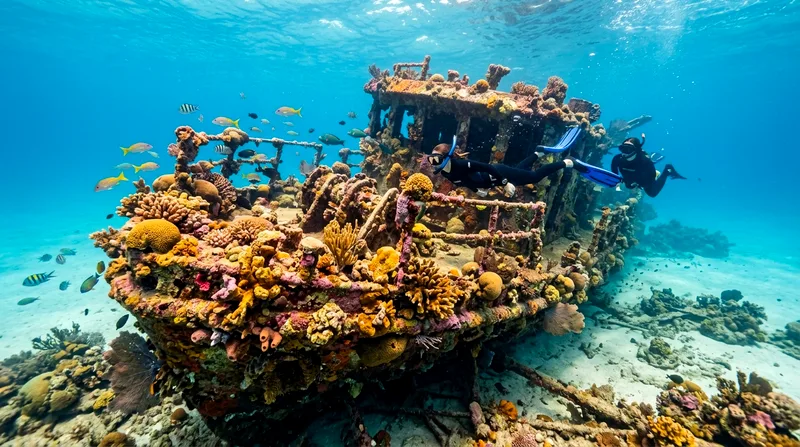
Shallow Key Biscayne reef tours suit beginners and families, while deeper wreck and Biscayne National Park trips reward experienced swimmers willing to travel farther and pay more.
Miami snorkeling tour types compared by depth, marine life, and group structure
| Tour Type | Typical Depth | Marine Life | Group Structure | Best For |
|---|---|---|---|---|
| Key Biscayne reef tour | 6-15 ft | Parrotfish, snapper, small reef fish | Group, 10-20 people | Families, beginners |
| Shipwreck/artificial reef tour | 20-60 ft | Grouper, barracuda, coral-covered structure | Group or private | Experienced snorkelers |
| Biscayne National Park full-day | 10-40 ft | Mixed reef and mangrove species | Group or private charter | Nature-focused travelers |
| Private reef charter | 6-20 ft | Same as reef tour, less crowded sightings | Private, 2-8 people | Couples, small families |
| Combined reef + sandbar trip | 6-15 ft | Reef fish plus shallow sandbar area | Group, 12-25 people | Solo travelers, social groups |
Depth and marine life vary by season and site; always confirm specific stops with the operator before booking.
Reef tours vs wreck tours
Reef tours target shallow coral reef systems close to shore — typically 10 to 20 minutes by boat from marinas near Key Biscayne or Virginia Key. Visibility is moderate, depth is forgiving, and marine life runs toward sergeant majors, small snapper, and the occasional nurse shark resting on the bottom. Wreck tours run farther out, sometimes 30 to 45 minutes each way, to sunken vessels intentionally placed as artificial reefs or historic shipwrecks. Depths of 20 to 60 feet mean stronger current and colder water at the bottom edge of snorkeling range. Reef tours suit nearly anyone who can swim; wreck tours suit confident swimmers comfortable with open water and boat traffic overhead.
Group tours vs private charters
Group tours fill a boat with unrelated parties, split costs, and run fixed departure times — usually morning and early afternoon slots. They're the budget option and generally well reviewed when the boat caps attendance near 15 to 20 people. Private charters book the whole boat for your group, let you choose the site and duration, and typically include a dedicated guide in the water rather than one watching from the boat. The price difference is substantial, often several times the per-person group rate, but for a family of six or a couple celebrating something specific, the charter removes the scheduling guesswork and crowding.
Half-day vs full-day excursions
Half-day tours run two to four hours including boat transit, with one or two snorkel stops — this is the standard format for Key Biscayne reef trips. Full-day excursions, more common for Biscayne National Park trips or combined reef-and-wreck itineraries, run six to eight hours with multiple sites, a lunch break, and sometimes a stop at a sandbar or island. Full-day trips make sense if you're combining snorkeling with sightseeing around the park's mangroves and keys; for pure reef time, a half-day trip delivers nearly the same water hours without the added cost of lunch and extra fuel.
What to Look for When Booking
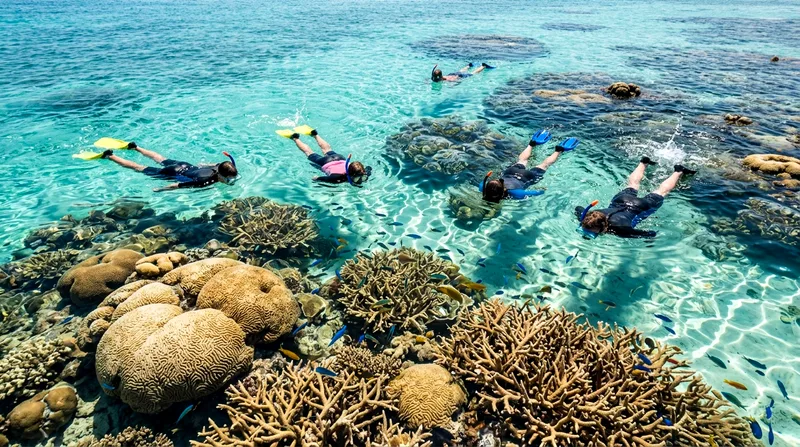
The listing photos on every Miami snorkeling tour look similar — clear water, colorful fish, a smiling group on a swim platform. What separates a good trip from a wasted morning is in the details most listings bury near the bottom of the page.
Inclusions and equipment
Mask, snorkel, and fins are standard inclusions on nearly every Miami tour, but wetsuit rental often costs extra — worth asking about if you're visiting in winter when water temperatures can drop into the low 70s°F. Flotation vests should be available even if you don't plan to use one; it's a reasonable ask for a nervous swimmer. Life jackets for children are not universal, so confirm sizes exist before you book if you're traveling with kids under 10. Underwater cameras for rent are common but inconsistent in quality — bringing your own cheap waterproof case is usually more reliable than a rental that's been through fifty other tourists' hands.
Group size and cancellation policy
Boat capacity matters more than almost any other factor. A 15-passenger boat with two crew in the water gives you real guidance; a 30-passenger boat with one guide on the swim platform does not. Check listed capacity against reviews — if reviewers mention crowding, believe them over the listing description. Cancellation policies in Miami generally hinge on weather: most operators offer a full refund or reschedule for small craft advisories or lightning, but policies vary on how close to departure they'll make that call. Read the fine print on partial refunds for self-cancellation, which is often nonexistent inside 24 to 48 hours of departure.
When to Book Your Snorkel Tour
Timing affects both water conditions and availability, and Miami's snorkeling season runs on a different rhythm than its tourist high season. Peak winter months — December through February — bring the biggest crowds and the coolest water, while the quietest booking windows often align with the clearest water.
Best season and weather conditions
Late spring through early summer — May through July — typically offers the calmest seas and best visibility before hurricane season's rain and wind patterns set in from August through October. Water temperature in summer climbs into the low 80s°F, comfortable without a wetsuit. Winter brings cooler air and water, plus more wind out of the north that can cancel trips on days with small craft advisories. If your trip dates are fixed and fall in hurricane season, book earlier in your stay rather than the last available day — that gives you a reschedule option if weather cancels the first attempt. European travelers used to Mediterranean summers should note Miami's humidity and afternoon thunderstorms are a different kind of heat entirely.
Popular Snorkeling Destinations Near Miami
Most Miami snorkeling tours launch from a short list of sites, and knowing which one your tour visits matters more than the company name on the boat.
Key Biscayne reefs
Key Biscayne sits roughly 20 minutes from downtown Miami and hosts the most accessible shallow reef sites in the region — a mix of natural coral reef and artificial structures in 10 to 20 feet of water. This is the default location for half-day family tours and the easiest option for beginners who've never snorkeled before. Compared to Key West's marine sanctuary reefs, Key Biscayne's coral cover is sparser, but the shorter boat ride and calmer water make it the practical choice if you're short on time or traveling with young kids.
Biscayne National Park
Biscayne National Park, about 45 minutes south of downtown, protects a far larger stretch of reef and mangrove coastline than anything inside city limits. Full-day tours here combine deeper reef snorkeling with stops at the park's keys, and the marine life — larger fish, occasional sea turtles — reflects the protected status. It's a better match for travelers who'd otherwise consider a day trip toward the Florida Keys but don't have time to drive to Key West. The trade-off is a longer day and typically a higher price than a Key Biscayne half-day trip, so weigh it against your schedule.
Frequently asked questions
What is the best snorkeling tour for beginners in Miami?
A half-day shallow reef tour off Key Biscayne is the standard beginner choice — depths of 6 to 15 feet, calm water, and short boat rides keep first-timers comfortable. Avoid wreck or Biscayne National Park full-day trips until you've snorkeled at least once in similar shallow conditions.
Do Miami snorkeling tours include equipment rental?
Mask, snorkel, and fins are included on nearly all Miami snorkeling tours. Wetsuits, underwater cameras, and child-sized flotation gear are often extra or limited in supply, so confirm availability when booking rather than assuming they'll be on board.
What is the difference between reef and wreck snorkeling tours?
Reef tours visit shallow coral areas in 6 to 20 feet of water close to shore, suited to beginners and families. Wreck tours travel farther to sunken vessels in 20 to 60 feet, with stronger current and larger marine life, and require confident swimming ability.
How far in advance should I book a snorkeling tour?
Book at least a week ahead in peak winter season (December to February) when boats fill fastest, and 2 to 3 days ahead in slower months. If your trip falls during hurricane season, book early in your stay so you have room to reschedule around weather cancellations.
What is the best season for snorkeling near Miami?
Late spring through early summer, roughly May through July, offers the calmest seas and clearest water before hurricane season's wind and rain arrive in August. Winter is cooler and windier, with more frequent small craft advisories that can cancel trips.