Compare Miami paddleboard tour options: mangrove trails, open-water SUP, group vs. private trips. What to book, what to skip, and when to go.
Who Each Tour Type Suits
A Miami paddleboard tour isn't one product — it's a handful of very different experiences wearing the same marketing language. Before you book anything, figure out whether you want calm, shaded mangrove water or open bay with wind and boat traffic, because those two things attract completely different crowds and skill levels.
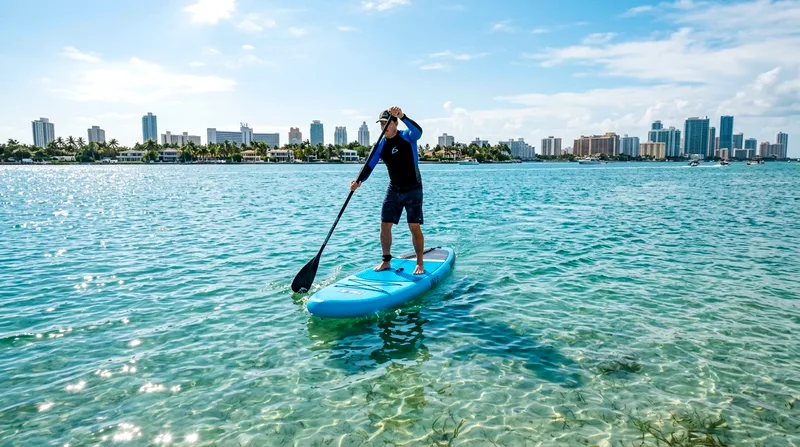
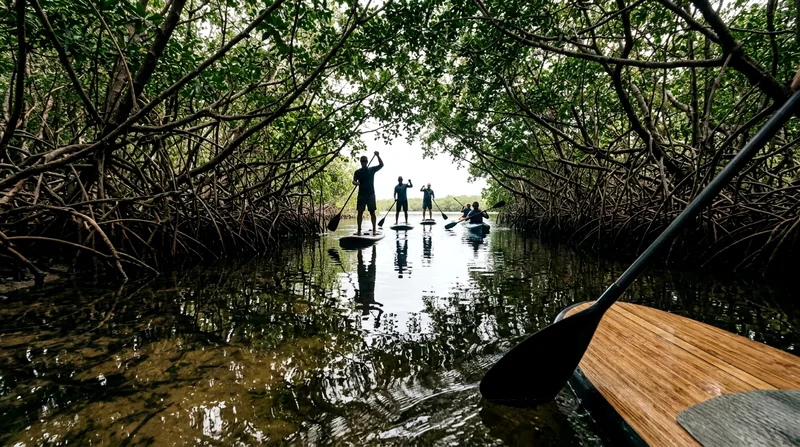
Oleta River State Park, just north of Miami in North Miami Beach, runs the most beginner-friendly water in the area: flat, brackish, and lined with mangrove tunnels that block wind almost entirely. Biscayne Bay, by contrast, can turn choppy by midday once the sea breeze kicks in, and paddling near Virginia Key or Haulover Park means sharing water with motorboats and occasional strong current near inlets. Neither is "better" — they're suited to different people, and conflating them is the single biggest mistake first-time bookers make.
Beginners and families
If you've never stood on a paddleboard or you're bringing kids under 12, go straight for a guided mangrove kayak tour Miami operators run through Oleta River State Park or the calmer inlets near Coral Reef Park. The water is typically under 4 feet deep, there's no current to fight, and guides generally stop every 15-20 minutes for wildlife spotting — manatees, herons, the occasional nurse shark in deeper channels. Kayaks are more forgiving than paddleboards for first-timers since you're seated and lower to the water, which matters if you've got a seven-year-old who can't yet balance standing up. Most family-oriented tours cap group size and provide child-sized paddles, but confirm minimum age requirements before booking — some operators won't take kids under 5 regardless of the calm water.
Experienced paddlers and fitness enthusiasts
If you paddle regularly or you're after a workout, open-water SUP across Biscayne Bay is the better call, especially routes launching near South Beach or Virginia Key with Miami's skyline as a backdrop. These trips cover more distance — often 3 to 5 miles round trip versus under 2 miles on a typical mangrove tour — and demand real core strength and balance, particularly once wind picks up after 11am. Sportsmen and anglers sometimes combine paddleboarding with light fishing here, though you'll want a separate fishing-specific tour if that's the priority, since standard SUP tours don't carry gear. Skip this option if you're not confident falling into open water repeatedly; it happens, and the bay isn't as forgiving as a mangrove channel.
Paddleboard vs. Kayak Tours Compared
The paddleboard-versus-kayak question comes up constantly, and the honest answer is that they're built for different goals. A paddleboard rewards balance and gives you a standing vantage point that's genuinely better for wildlife viewing and photos. A kayak rewards efficiency — you'll go farther with less effort and stay dry longer, which matters if you're traveling with a camera or you simply don't want to fall in.
Mangrove routes at Oleta River suit beginners and families, while open-water Biscayne Bay paddles demand more skill and reward experienced paddlers with longer distances and skyline views.
Miami paddleboard tour and kayak tour options compared by setting and skill level
| Tour Type | Typical Duration | Best For | Water Conditions | Wildlife Viewing |
|---|---|---|---|---|
| Mangrove kayak (Oleta River) | 1.5-2.5 hours | Beginners, families | Calm, shallow | High |
| Mangrove SUP (Coral Reef Park) | 1.5-2 hours | Beginners wanting standing views | Calm, sheltered | High |
| Open-water SUP (Biscayne Bay) | 2-3 hours | Fit, experienced paddlers | Variable, can be choppy | Moderate |
| Open-water kayak (Virginia Key) | 2-4 hours | Distance-focused paddlers | Variable, boat traffic | Moderate |
| Everglades guided kayak | 3-4 hours | Serious eco-tourists | Calm, remote | Very high |
| Self-guided SUP rental (Miami Beach) | Flexible | Confident solo paddlers | Variable | Low |
Durations and conditions vary by operator and season; confirm current routes and skill requirements when booking.
Stability and learning curve
Kayaks win on stability, full stop. You sit low, the hull does the balancing for you, and most first-timers are comfortable within five minutes. Paddleboards take longer — expect 20 to 30 minutes of wobbling before most adults find a rhythm, and falling in is part of the experience, not a failure of it. For SUP rental Miami Beach locations renting boards for solo use without a guide, this matters: if you've never stood on a board, do a guided beginner session first rather than renting blind and heading into open water near Haulover Park, where currents near the inlet can surprise inexperienced paddlers.
Speed and distance coverage
Kayaks cover ground faster with less fatigue, which is why most longer eco-tours into the Everglades or farther mangrove systems default to kayaks rather than boards. A paddleboard tour covering the same 3-mile route will take noticeably longer and tire out anyone who isn't already fit. If your goal is distance and wildlife density — say, a half-day push into less-trafficked mangrove creeks — book the kayak option. If your goal is a shorter, photogenic outing with standing views over the water, the paddleboard wins.
Tour Categories: Group, Private & Guided
Nearly every Miami paddleboard tour or kayak outing falls into one of three structures: shared group tours, private/custom bookings, or self-guided rentals with minimal instruction. Each has a clear trade-off between cost, flexibility, and how much hand-holding you get.
Group tours and shared experiences
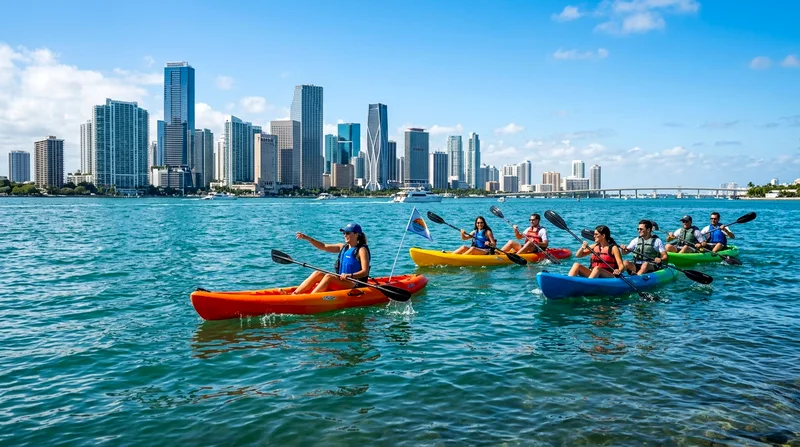
Group tours typically run 8 to 12 people with one or two guides, last 1.5 to 2.5 hours, and are the most budget-friendly way to get instruction plus a guided wildlife route. They're the default choice for solo travelers and couples who want a social element, and most mangrove tunnel trips through Oleta River run this format. The downside: you move at the group's pace, which means more stops for slower paddlers and less flexibility if you want to linger somewhere or skip a section. Groups also book up on weekends, particularly in the cooler months, so don't assume you can walk up and join one on a Saturday afternoon in peak season.
Private tours and custom itineraries
Private tours cost more — generally expect a meaningful premium over the per-person group rate — but you control pace, route, and duration, and some operators will customize a trip around sunrise wildlife viewing or a specific stretch of Biscayne Bay. This is the right call for anglers wanting a quieter mangrove route without a crowd of beginners nearby, or for luxury travelers who simply don't want to share a guide's attention with eight strangers. Families with very young kids also benefit from private bookings since the guide can adjust pacing entirely around a child's stamina rather than sticking to a fixed group schedule.
What to Look for When Booking
Not all paddleboard rental Miami listings are equal, and the differences usually show up after you've already paid. Before booking any eco-friendly water tours Miami operators advertise, check three things: what's actually included, how big the group is, and what happens if weather cancels your slot.
Inclusions and equipment quality
Confirm whether the price includes a dry bag, life jacket, and water — some budget listings charge extra for basics. Board and kayak quality varies more than people expect; inflatable SUPs are common now and perform fine in calm mangrove water but feel less stable in open bay chop compared to a rigid board. Ask specifically whether the tour includes instruction time before launch, not just a guide paddling alongside you. A rushed five-minute briefing isn't the same as 15 minutes of on-land practice, and that gap matters most for first-timers.
Group size and cancellation policies
Smaller groups mean more guide attention and better wildlife spotting, since a pack of 15 paddleboards scares off manatees and birds faster than a group of six. Ask the group cap before booking. Also check the weather cancellation policy in writing — Miami's afternoon thunderstorms are routine between June and September, and a reputable operator will offer a reschedule or refund rather than forcing you out in lightning. Avoid any listing that's vague about this; it's a sign they haven't thought through liability or customer experience carefully.
Best Times to Book Your Tour
Timing affects both comfort and cost more than most people realize when comparing a Miami paddleboard tour against alternatives like a Key West snorkel trip or a Fort Lauderdale boat charter.
Seasonal considerations
November through April is dry season in South Florida — lower humidity, less rain, and generally calmer mornings on Biscayne Bay. It's also peak tourist season, so expect higher demand and earlier sellouts. Summer (June-September) brings heat that makes early morning or late afternoon slots far more bearable, plus a real chance of afternoon storms that can cancel a midday booking outright. If you're coming from Europe and adjusting to jet lag, an early tour works in your favor during summer anyway, since you'll likely be awake before sunrise. Compare that to Cancun or the Bahamas, where water tours run on more consistent warm-water conditions year-round — Miami's mangrove systems are genuinely a cooler-season advantage over those tropical alternatives, since you avoid the hurricane-season volatility that affects Caribbean itineraries too.
Advance booking advantages
Booking a week or more ahead typically gets you better slot selection — sunrise tours sell out first because the water's calmest and wildlife is most active then. Walk-up availability exists for self-guided rentals but rarely for guided mangrove tours during winter weekends. If your trip includes a specific date you can't move, book as early as you can and read recent reviews for mentions of cancellations or equipment issues — a single bad review about dirty equipment is worth more than five generic five-star ratings. Always compare current prices and reviews across two or three listings before you commit; availability shifts fast in peak months.
Frequently asked questions
What is the difference between a paddleboard and kayak tour?
A paddleboard tour has you standing (or kneeling) on a board, offering better visibility for wildlife spotting but a steeper learning curve and more risk of falling in. A kayak tour has you seated in a stable hull, covering distance more efficiently with less fatigue and almost no learning curve. Choose kayak for longer routes or if you want to stay dry; choose paddleboard for shorter, more active outings with standing views.
Do I need experience to join a paddleboard or kayak tour?
No — most mangrove tours at Oleta River State Park or Coral Reef Park are designed for complete beginners, with calm, shallow water and pre-launch instruction included. Open-water tours across Biscayne Bay or near Haulover Park are better suited to people with at least some paddling experience, since wind and boat traffic increase the difficulty.
What should I bring on a Miami paddleboard or kayak tour?
Bring reef-safe sunscreen, a hat, water shoes or sandals with straps, and a dry bag for your phone (some tours provide one). Pack water even if it's included, plus a light rash guard for sun protection — Miami sun is intense even on overcast days. Skip cotton clothing; it stays wet and uncomfortable for the whole trip.
How far in advance should I book a tour?
Book 5-7 days ahead during dry season (November-April) when demand is highest, especially for sunrise or weekend slots. In summer, 2-3 days' notice is usually enough, though you should still check the cancellation policy given the higher chance of afternoon storms disrupting bookings.
Are paddleboard and kayak tours suitable for children?
Kayak tours generally suit children better since they sit low and stable in the boat; many mangrove kayak tours accept kids from around age 5-6 with an adult. Paddleboarding requires more balance and is typically better suited to kids 8 and older, or younger children riding tandem with a parent. Always confirm age minimums directly with the operator before booking.