Compare Miami inshore fishing tour types — flats, Biscayne Bay, half-day and private charters. Find the right fit for beginners, seniors, and families.
Who inshore fishing tours suit best
A Miami inshore fishing tour trades the rolling swells and six-hour runs of offshore charters for shallow, protected water inside Biscayne Bay and along the mangrove flats near the Florida Keys corridor. That distinction matters more than most first-time bookers realize. Offshore trips chase sailfish and mahi-mahi in open Atlantic water, often an hour or more from the dock, with real chances of seasickness. Inshore trips stay close, usually within 20-30 minutes of the marina, in water rarely deeper than 10 feet.
That calmer setting is why inshore charters work so well for people who wouldn't normally book a fishing trip at all. Kids get bored less quickly because there's visible action — tailing fish, splashing bait, mangrove scenery — even between bites. Couples looking for a half-day activity that isn't a museum or a beach club find it relaxing rather than punishing. I'd steer hardcore sport anglers wanting a wall-mount trophy fish toward offshore charters instead; inshore species like snook, redfish, and snapper are fun on light tackle but won't impress anyone who's fished the Keys for tarpon before.
The trade-off is real: you give up the chance at marlin, tuna, or big mahi, and you accept smaller, more technical fishing. In exchange you get comfort, lower cost, and a far gentler learning curve.
Beginners and first-time anglers
If you've never held a rod, inshore is where you start — not offshore. Guides on Biscayne Bay charters spend time rigging bait, explaining casting mechanics, and netting fish for you if needed, which almost never happens on a crowded offshore group boat. Spinning tackle used inshore is lighter and more forgiving than the heavy conventional gear used for bottom fishing or trolling. Most first-timers land at least one fish — a mangrove snapper, a jack, or a small snook — within a two-to-three-hour window, assuming a competent guide and decent tide. Ask before booking whether the guide actively teaches versus just drives the boat; reviews usually make this obvious, and it's worth reading three or four before committing.
Senior travellers and mobility concerns
Flats boats and bay skiffs sit low and are easy to board from a fixed dock, which beats clambering onto a larger offshore sportfisher with a high gunwale. Seating is typically a padded bench or elevated poling platform area, and trips can be shortened to two hours if full-day sun exposure is a concern. The real variable is boat type: a technical flats skiff has minimal seating and sometimes requires standing to cast, while a center-console bay boat offers proper seats and handrails. If mobility is a real factor, specify that when booking and ask directly about seating — don't assume "inshore" automatically means "easy to sit in all day."
Main inshore fishing tour types
"Inshore fishing" in Miami isn't one product — it covers a few distinct styles of boat and water, and picking the wrong one is the most common booking mistake. The two main categories are flats fishing and general Biscayne Bay charters, with some overlap into backcountry trips that push toward the Everglades' brackish creeks.
Flats fishing in shallow waters
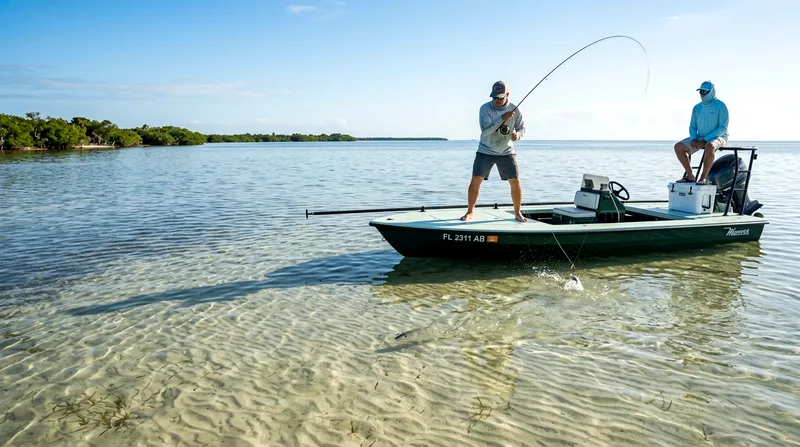
Flats fishing happens in water often under three feet deep, over sand and grass bottom, targeting sight-fished species like bonefish, permit, and tarpon. It's technical: the guide poles the skiff silently (no trolling motor noise) while you watch for moving shapes in the water, then cast ahead of the fish. This style rewards patience and punishes impatience — a slow morning with no visible fish is common, especially for anglers who've never sight-fished before. Flats trips suit experienced anglers wanting a specific challenge, or curious beginners paired with a guide willing to explain what they're looking at. It's not the best match for young children who need constant action; the stillness and quiet required can be a hard sell for a seven-year-old.
Biscayne Bay guided charters
Biscayne Bay charters are more general-purpose: anchoring or drifting over channel edges, grass flats, and bridge pilings, often using bait (shrimp, pinfish) rather than pure sight-casting. Species run wider — snapper, jack crevalle, snook, trout, and occasional small tarpon. These trips produce more consistent action for less skill investment, which is exactly why they suit beginners, families, and seniors better than pure flats trips. Boats used here tend to be larger center-consoles with more seating, bathrooms are rare but some larger boats have a basic head, and the pace is steadier rather than stop-and-wait. If you want the highest odds of a kid or a first-timer catching something within the first hour, this is the category to book.
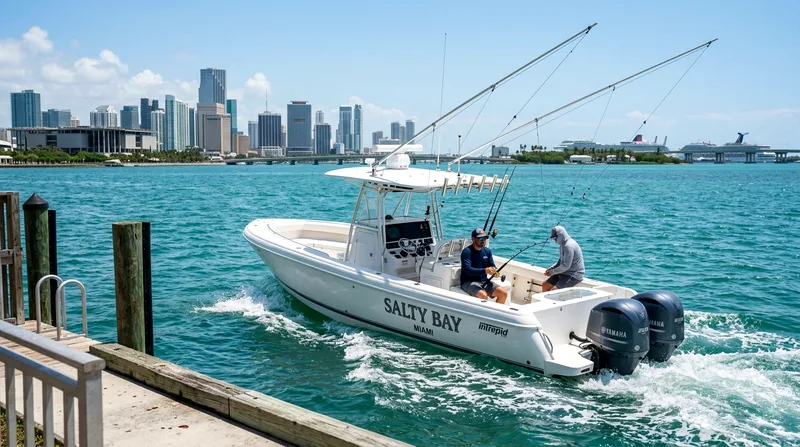
Comparing tour categories and experiences
Once you've picked flats or bay fishing, the next decisions are duration and group size, and both change the experience more than people expect.
Biscayne Bay charters suit beginners and families best, while flats fishing rewards patience and experience over a longer, quieter day.
Miami inshore fishing tour types compared by duration, group size, and best fit
| Tour Type | Typical Duration | Group Size | Best For | Difficulty |
|---|---|---|---|---|
| Flats fishing (sight-cast) | 4-8 hours | Private, 1-3 anglers | Experienced anglers, patient beginners | Technical |
| Biscayne Bay bait fishing | 3-4 hours (half-day) | Private or shared, up to 6 | Families, seniors, first-timers | Easy |
| Full-day bay/backcountry | 7-8 hours | Private, 2-6 anglers | Serious anglers, split-cost groups | Moderate |
| Private charter (either style) | 4-8 hours | 1-6, your group only | Families, seniors, instruction-focused trips | Easy to Technical |
| Shared group charter | 4 hours typical | Mixed strangers, varies | Solo travelers, budget-conscious couples | Easy |
Durations and group sizes are typical ranges; confirm exact boat capacity, run time, and inclusions with the operator before booking.
Half-day vs full-day options
A half-day trip runs roughly four hours, a full day stretches to seven or eight. For beginners, seniors, and families with young kids, half-day is almost always the better call — sun exposure and fatigue hit harder than people plan for, and four hours is plenty of time to catch fish in the bay without anyone melting down from boredom or heat. Full-day trips make more sense for serious anglers chasing flats species where patience and covering more water genuinely improves results, or for groups splitting a private boat cost across more people. Watch out for one thing: some "full-day" listings quietly include an hour of travel time each way to more distant grounds near the Keys, cutting actual fishing time more than advertised. Ask directly how much of the day is run time versus fishing time.
Private charters vs group tours
Private charters book the whole boat for your party — typically two to six people depending on boat size — and you control pace, target species, and stops. Group or shared tours put you with strangers on a larger boat, splitting the cost, which lowers the per-person price but also means less personalized teaching time and sometimes a chaotic kids-and-adults mix. I'd recommend private for families with young children, mobility-limited seniors, or anyone who wants real instruction — shared boats simply can't give each person the same attention. Group tours make sense for solo travelers or couples on a tighter budget who don't mind a more social, hands-off vibe. One caution: group boat quality varies a lot more than private charters, since you're relying on a mix of strangers' skill levels and patience, not just the guide.
What to look for when booking
Not all charters advertise clearly what's actually included, and that gap is where disappointment happens. Before paying a deposit, get specifics in writing or in the listing — vague terms like "gear provided" can mean anything from quality spinning reels to worn-out loaner rods nobody's serviced in a season.
Inclusions and equipment provided
Most Miami inshore charters include rods, reels, bait, tackle, and a current Florida fishing license covered under the captain's license — confirm this explicitly, since it's not universal. Ice, coolers, and basic soft drinks are often included; food, alcohol, and sunscreen usually aren't. Fish cleaning is sometimes offered free, sometimes for a small added fee — ask upfront if you plan to keep and cook your catch. A good listing also states whether photos are taken and shared, which matters more to families than it sounds like it would. Don't assume a shaded bimini top is standard; some smaller flats skiffs have none at all, which is brutal on a July afternoon.
Group size and guide expertise
Check the maximum passenger count against the boat type — a 22-foot flats skiff listed for six people is overcrowded and will hurt everyone's fishing time. Licensed Florida fishing guides (USCG-licensed captains) should be clearly stated in the listing; this isn't optional for a legitimate operation. Read recent reviews specifically for mentions of patience with kids or beginners, not just "caught fish" — the two aren't the same thing. A guide who's great with experienced anglers chasing tarpon on the flats might be impatient with a nervous ten-year-old, and vice versa.
When to book your fishing charter
Inshore fishing in Miami runs year-round, which is one of its real advantages over destinations like Cancun or the Bahamas, where hurricane season or specific migratory windows narrow things more sharply. That said, seasons do change what you'll catch. Snook fishing peaks in late spring through summer, tarpon show up heaviest from April through July, and winter months (December through February) bring cooler water that pushes snapper and trout into more predictable patterns — good for beginners wanting steady action over trophy chasing.
Weather is the bigger planning factor than season. Summer afternoons bring near-daily thunderstorms, so morning charters (typically departing 7-8 a.m.) have better odds of finishing before storms roll in. Reputable operators reschedule or refund for lightning and small-craft advisories, but confirm the cancellation policy before paying — a full refund policy for weather is standard among legitimate charters, and anything vaguer than that is a flag. Book two to three weeks ahead for a specific date in peak winter tourist months (January-March), when snowbirds and families compete for the same morning slots; summer and shoulder months are more flexible, sometimes bookable within a few days.
Compare this flexibility to Fort Lauderdale or Key West charters, which run similar inshore options but with different target species mixes — the Keys lean harder into permit and tarpon on skinnier water, while Fort Lauderdale charters often blend inshore and nearshore reef fishing in a single trip. If your itinerary includes stops in both Miami and the Keys, it's worth deciding which city gets your one fishing day rather than squeezing in two mediocre half-days.
Frequently asked questions
Do I need a fishing license for inshore charters in Miami?
No, in almost all cases. Florida law allows licensed charter captains to fish under their own commercial fishing license, which covers all paying passengers aboard. Confirm this is included when booking — it should be stated explicitly — and you won't need to buy a separate state fishing license for the trip.
What fish can I catch on an inshore fishing tour?
Common catches in Biscayne Bay include snapper, jack crevalle, snook, spotted sea trout, and smaller tarpon. Flats trips targeting sight-fishing add bonefish and permit to the mix, though these are harder to land and require more skill or patience than bait fishing in the bay.
Are inshore fishing tours suitable for complete beginners?
Yes, particularly Biscayne Bay bait-fishing charters rather than technical flats trips. Guides typically rig tackle, net fish, and explain casting basics, and most first-timers catch something within the first couple of hours on a half-day trip with reasonable conditions.
What's included in a typical inshore fishing charter?
Most charters include the boat, captain, rods, reels, tackle, bait, and fishing license coverage. Ice and coolers are often provided; food, drinks beyond water, and sunscreen usually aren't. Confirm whether fish cleaning is included, since policies vary by operator.
What's the best season for inshore fishing in Miami?
Inshore fishing works year-round, but spring and summer (April through July) bring tarpon and snook into peak activity, while winter months offer calmer, steadier snapper and trout fishing with fewer afternoon thunderstorms to plan around.