Find the best time to visit the Everglades by season. Compare wildlife activity, mosquito levels, and tour conditions before you book.
Best Time to Visit the Everglades
Timing your Everglades visit shapes almost everything about the trip — how many alligators you'll see, whether you're swatting mosquitoes every ten minutes, and which tour operators are even running boats that week. The short answer: December through April is the best time to visit the Everglades for most people, thanks to cooler temperatures, lower water levels that concentrate wildlife, and near-daily tour departures from both the Miami and Gulf Coast sides of the park. But that's not the whole story, and treating it as the only answer would be a disservice to anyone chasing bird rookeries or willing to trade comfort for a quieter, wilder park.
Everglades National Park runs on a two-season rhythm — dry (roughly November to April) and wet (May to October) — rather than the four-season calendar most visitors expect. Each has a distinct personality. Dry season is the postcard version: baking sun, shrinking water holes, alligators piled on exposed banks. Wet season is messier and greener, with afternoon storms rolling in in off the Gulf and sawgrass marshes flooding to waist height. Which one suits you depends on whether you're optimizing for wildlife density, photography, crowd avoidance, or simply not getting eaten alive by bugs.
Dry Season: Peak Wildlife and Tour Activity
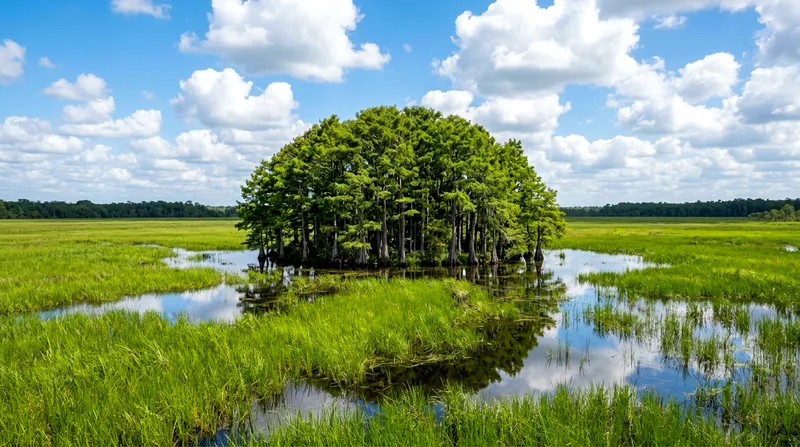
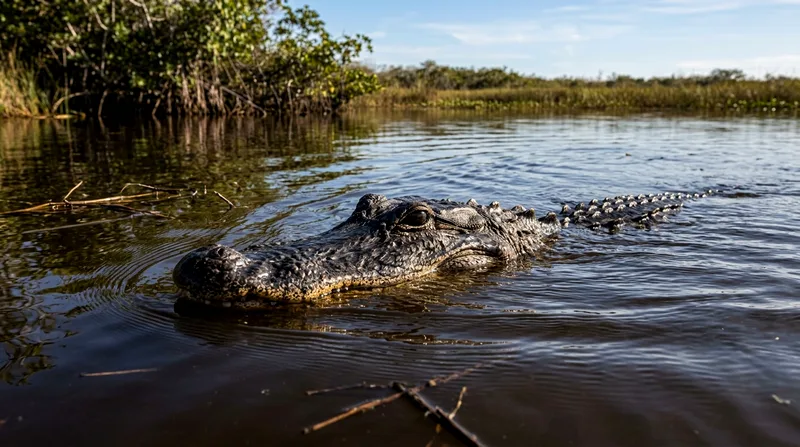
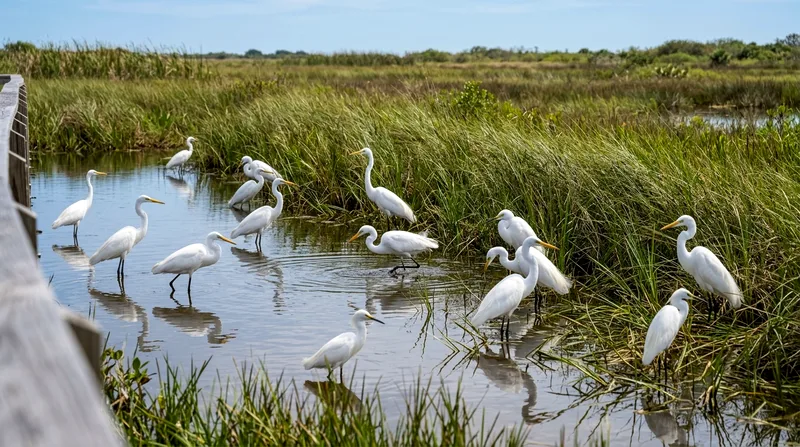
Dry season — November through April, with December to March as the core window — is when the Everglades earns its reputation as a wildlife-viewing destination. Water levels drop steadily through the winter months, and that's the whole mechanism behind the spectacle: as marshes and sloughs shrink, fish and prey species get concentrated into fewer, smaller pools. Alligators, wading birds, and otters all converge on the same shrinking water sources, which means you can stand at one overlook along the Anhinga Trail near the park's main entrance and watch a dozen alligators, a few dozen herons, and the occasional otter without moving your feet.
I'd rank this as the better choice for first-time visitors and anyone traveling with kids or older relatives who can't handle heavy heat or humidity. Daytime highs typically sit in the mid-70s to low 80s°F (24-28°C), nights can dip into the 50s°F (10-15°C), and rainfall drops off sharply compared to summer. It's genuinely pleasant to be outdoors for hours, which matters if you're combining an Everglades day trip with other Miami activities like South Beach or the Design District the same week.
Dry season (December-March) offers the most reliable wildlife viewing and comfort, while wet season trades comfort for lush scenery and nesting activity.
Best time to visit the Everglades: season-by-season comparison
| Season | Months | Wildlife Viewing | Mosquitoes | Best For |
|---|---|---|---|---|
| Peak Dry Season | December-March | Excellent, concentrated | Low | First-timers, families, photography |
| Late Dry Season | April | Very good, still concentrated | Low-moderate | Fewer crowds, good weather |
| Early Wet Season | May-July | Good, dispersed, nesting birds | Moderate-high | Birders, photographers |
| Peak Wet Season | August-September | Fair, spread out | Very high | Experienced visitors only |
| Late Wet Season | October | Improving | High | Flexible travelers, fewer crowds |
| Shoulder (Fall) | November | Good | Moderate | Balance of comfort and quiet |
Figures reflect typical seasonal patterns; actual conditions vary year to year with rainfall, so check current park alerts before you travel.
December to April Wildlife Concentration
The peak window within dry season is January through March, when water levels hit their lowest point before the first summer rains refill the system. This is when alligator sightings become close to guaranteed on popular trails like Anhinga and Shark Valley, and when wading birds — herons, egrets, wood storks, roseate spoonbills — gather in visible numbers at drying pools. It's also prime time for manatee sightings along the Gulf Coast side near Everglades City, where warmer spring-fed waters draw them in from cooler open water. Compare this to Florida's other manatee hotspots like Crystal River, and the Everglades version is less crowded but less guaranteed — you're watching wild behavior, not a managed viewing platform.
Tour Availability and Booking Tips
Airboat tours, guided walks, and tram tours all run at full schedule during dry season, with multiple daily departures from operators near the park's Gulf Coast and Shark Valley entrances. This is also, unsurprisingly, when crowds peak — presidents' week and spring break (mid-February through March) can mean full parking lots at Royal Palm by mid-morning and booked-out afternoon airboat slots. If you're visiting during these weeks, book your airboat tour or guided walk at least a few days ahead, and aim for an early morning slot — both for lighter crowds and because wildlife is more active before the midday heat sets in, even in winter.
Wet Season: Lush Landscape and Breeding Wildlife
Wet season runs roughly May through October, driven by near-daily afternoon thunderstorms that can dump an inch of rain in under an hour. Most guidebooks wave this season off as the one to avoid, and for comfort reasons that's fair — but it undersells what's actually happening ecologically. This is nesting and breeding season for many wading bird species, and the marshes are at their most visually dramatic: full sawgrass prairies, flooded cypress domes, and a green density that the dry season landscape simply doesn't have.
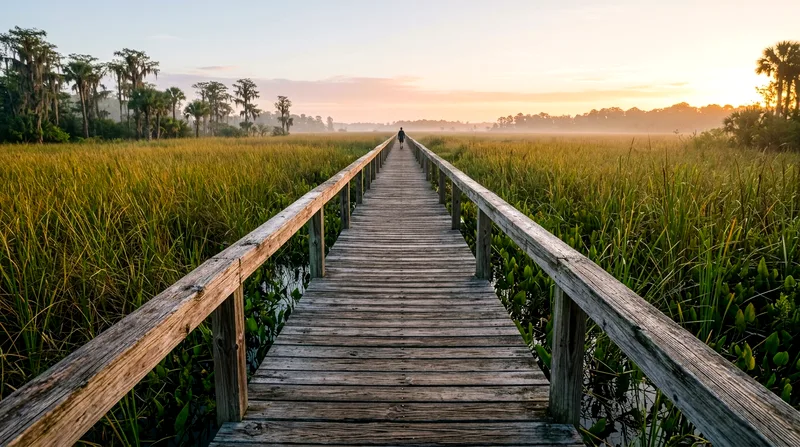
I'd push back on the idea that wet season is only for the hardcore. If you're a photographer, a birder, or someone who's already seen the "classic" dry-season alligator shots and wants something different, this is genuinely worth booking — just go in with realistic expectations about heat and bugs.
June to November Water Levels and Nesting
As water levels rise, wildlife disperses rather than concentrates — alligators and fish spread across the newly flooded marshes instead of clustering at a handful of pools, so sightings along short walking trails become less reliable. In exchange, you get wading bird nesting activity, particularly earlier in wet season (May–July) at rookeries, and far more active insect and amphibian life, which in turn draws more birds. Everglades City and the Ten Thousand Islands area, on the Gulf Coast, tend to hold up better for wildlife viewing in wet season than the interior freshwater trails, since boat tours there follow open water rather than relying on shrinking pools.
Unique Wildlife Viewing Opportunities
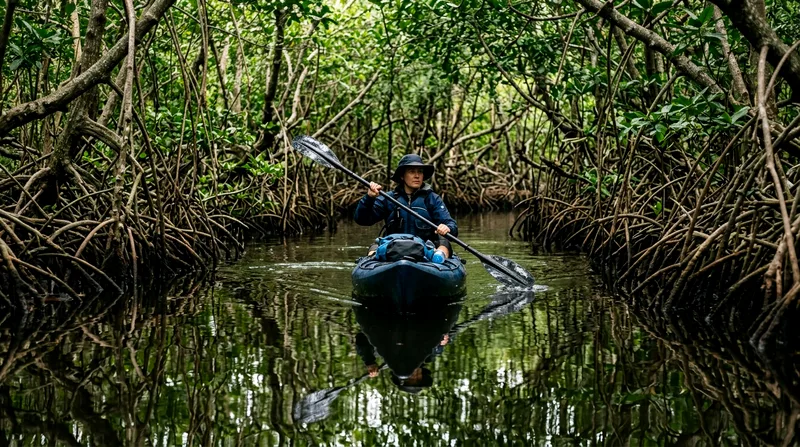
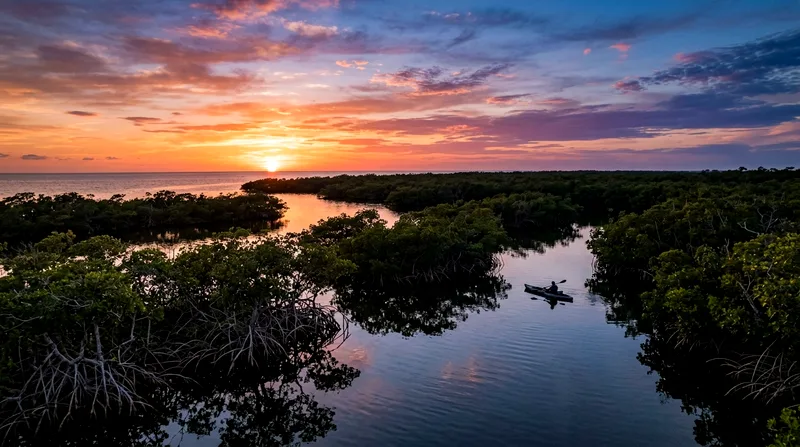
Wet season is also when you're more likely to see alligator hatchlings, since nesting runs through summer with hatching typically in August and September. Boat-based tours through the Ten Thousand Islands and backcountry mangrove channels can turn up dolphins and higher bird activity than the same route would show in February. The trade-off is that afternoon storms are near-daily and can cancel or delay airboat departures with little notice, so if you book a wet-season tour, take a morning slot and build a buffer day into your Miami itinerary in case of rescheduling.
Shoulder Seasons: Fewer Crowds and Moderate Conditions
May and November sit at the hinge points between the two main seasons, and they're the most underrated time to visit the Everglades if your priority is balance rather than extremes. Crowds thin out noticeably compared to the December–March peak — you won't be circling for parking at Royal Palm or waiting for an airboat slot to open up. Weather is more moderate than full wet or dry season, though it's unpredictable: November can still carry a late-season storm, and May can bring an early heat wave.
May and November Visitor Patterns
November is arguably the better of the two shoulder months, since water levels are still relatively low from the tail end of dry season but the summer crowds and school holiday traffic haven't arrived yet. May works for travelers squeezing in a trip before the worst of summer heat, though mosquito activity is already climbing by late May as the first rains return. Compare timing against a Florida trip that also includes Key West or Fort Lauderdale — shoulder season months tend to be cheaper for flights and hotels across South Florida generally, not just around the park.
Weather and Wildlife Balance
You won't get the wall-to-wall alligator sightings of February, but you also won't be dealing with the thick, constant mosquito presence of July. Wading birds are still reasonably active, particularly in November as some species begin repositioning for winter. If you want one stretch of days that reasonably balances wildlife odds, weather comfort, and manageable crowds, the first half of November is my pick over May, mostly because the bug situation is noticeably better.
Mosquito Levels and Weather by Season
This is the section most Everglades guides underplay, and it shouldn't be an afterthought — mosquito density is the single biggest comfort factor in the park, often more disruptive than heat or rain. The Everglades sits on a wetland ecosystem, so there's no fully bug-free month, but the swings between seasons are dramatic enough to plan around.
Peak Mosquito Months to Avoid
June through September is the worst stretch, with activity often described by park rangers using a "mosquito meter" posted at visitor centers — a genuinely useful tool, when available, for deciding whether to walk a trail or stick to a boat tour that afternoon. Late summer, particularly August, tends to be the peak. If you're mosquito-sensitive, avoid scheduling an Everglades day trip for midsummer altogether; even DEET-based repellent and long sleeves only take the edge off. Dry season, by contrast — especially January through March — is dramatically more tolerable, with mosquito activity low enough that most visitors skip repellent entirely on short trail walks.
Temperature and Rainfall Patterns
Winter dry season highs run roughly 75-80°F (24-27°C) with minimal rain, making it comfortable for multi-hour outings. Summer wet season highs climb to the high 80s and low 90s°F (31-34°C) with humidity that makes it feel hotter, plus near-daily afternoon thunderstorms that typically hit between 2pm and 5pm. If you're touring in summer, mornings are non-negotiable — book the earliest available airboat or walking tour slot and plan to be done before early afternoon storms roll in off the Gulf.
Planning Your Everglades Tour Booking
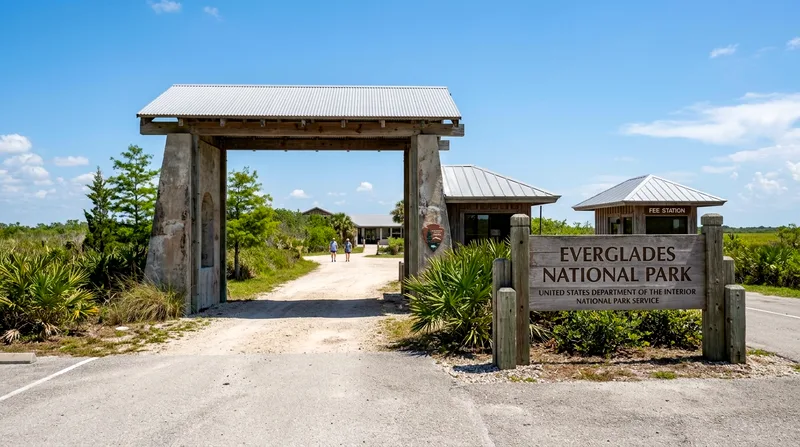
Once you've picked a season, the next decision is which entrance and tour type fits your plans. The park has three main access points — the main entrance near Homestead (closest to Miami, roughly 45 minutes to an hour by car), Shark Valley off the Tamiami Trail, and the Gulf Coast entrance near Everglades City. Airboat tours generally depart from outside official park boundaries, since airboats aren't permitted in the protected interior wilderness areas, while tram and walking tours operate inside the park itself.
Best Times for Specific Tour Types
Airboat tours are at their best in dry season, when lower water concentrates wildlife near the mangrove-lined channels these tours typically run. Walking trails like Anhinga Trail reward dry-season visits for the same reason. Boat tours through the Ten Thousand Islands on the Gulf Coast side hold up reasonably well across both seasons, since they follow open water rather than depending on shrinking freshwater pools — worth considering if your travel dates fall in summer and you still want a solid wildlife tour. Compare this to planning a Miami trip around Key West's reef snorkeling or Fort Lauderdale's beach season — the Everglades is one of the few South Florida experiences where winter, not summer, is the clear high season.
Advance Booking Recommendations
For dry season visits, especially January through March and any date around spring break, book your airboat or guided tour at least 3-5 days in advance — popular morning slots near Miami can sell out. Wet season tours have more same-day availability but higher risk of weather cancellation, so build flexibility into your schedule if you're combining the Everglades with other Miami bookings like a Biscayne Bay boat tour or a Key Largo snorkeling trip. When you're ready to book, compare current Everglades tour options and prices for your travel dates — airboat tours, walking tours, and combination packages all vary by season and departure point.
Frequently asked questions
What is the best month to visit the Everglades?
January through March is the strongest window overall. Water levels are at their lowest, wildlife concentrates around remaining pools, mosquito activity is minimal, and daytime temperatures stay comfortable in the mid-70s to low 80s°F. The trade-off is bigger crowds, especially around presidents' week and spring break.
When are mosquitoes worst in the Everglades?
June through September, peaking around August, is the worst stretch. Humidity, standing water, and breeding conditions all combine during wet season. Park visitor centers sometimes post a mosquito activity meter — worth checking before committing to a long trail walk during these months.
Is the Everglades worth visiting in summer?
Yes, with caveats. You'll see nesting birds, alligator hatchlings by late summer, and lush flooded marshes you won't get in winter. But expect heavy mosquito activity, high humidity, and near-daily afternoon thunderstorms — book morning tours and bring strong repellent.
When do alligators and manatees appear in the Everglades?
Alligators are visible year-round but concentrate most visibly in dry season (December-April) as water recedes. Manatees are most commonly spotted on the Gulf Coast side near Everglades City in winter and early spring, when they move into warmer, spring-fed waters.
What season has the fewest tourists in the Everglades?
Late wet season, particularly September and October, sees the lowest visitor numbers — partly due to heat and mosquitoes, partly hurricane season caution. For a better balance of low crowds and manageable comfort, November is a stronger pick than peak summer.